
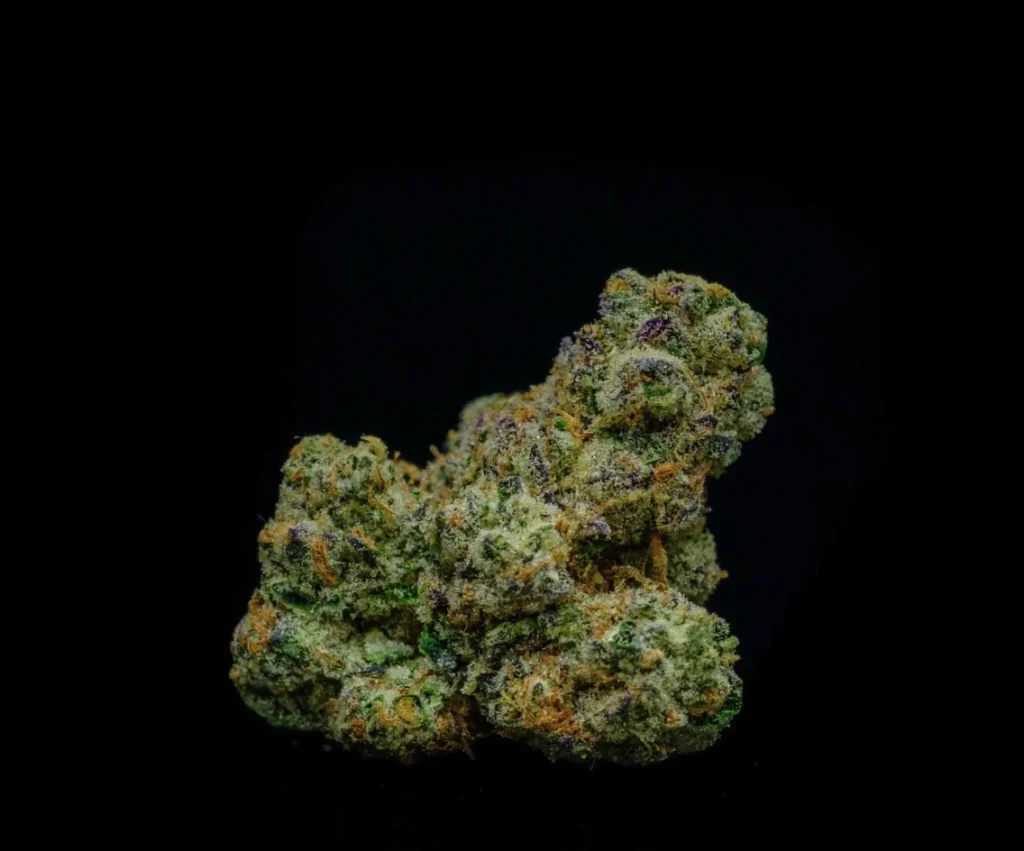
Few modern cultivars have been copied, renamed and misidentified as often as Wedding Cake. The name appears across hundreds of menus and seed catalogues, but it does not always describe the same genetic line.
The strongest provenance traces the famous Wedding Cake cut to Seed Junky Genetics. JBeezy crossed Triangle Kush with Animal Mints to create the Triangle Mints population, then phenotype #23 emerged as the selection that became known as Wedding Cake.
Jungle Boys helped popularise the new name. An older story identifying Wedding Cake as Cherry Pie crossed with Girl Scout Cookies continues to circulate, and several major seed banks still sell that separate interpretation today.
This guide follows the Triangle Kush × Animal Mints account. It covers the origin of the #23 selection, what each parent contributes, how Wedding Cake helped define the modern dessert era, and how the Zamnesia-based feminised representation selected for the Sigma catalogue differs from the original clone. For the commercial listing, Wedding Cake feminised seeds will be available alongside Sigma’s other modern collector genetics.
In this guide
- Wedding Cake at a glance
- The origin of Wedding Cake and Triangle Mints #23
- Triangle Kush × Animal Mints explained
- Why two different Wedding Cake lineages exist
- How Wedding Cake changed modern breeding
- Terpenes, aroma and flavour
- Phenotype variation and keeper traits
- Growing Wedding Cake in Australia
- The Wedding Cake line represented by Sigma
Wedding Cake: At a Glance
| Original breeder | Seed Junky Genetics, JBeezy |
| Original identity | Triangle Mints #23 phenotype selection |
| Cross represented | Triangle Kush × Animal Mints |
| Genetic type | Indica-dominant hybrid |
| Potency | Approximately 25% THC under ideal conditions · CBD below 1% |
| Terpenes | Ocimene · Myrcene |
| Flavour | Sweet · Spicy · Woody · Blueberry |
| Commonly reported effects | Euphoric · Relaxing |
| Flowering time | 9–10 weeks · approximately 65 days |
| Height | Medium indoors and outdoors |
| Yield | Up to 500g/m² indoors · up to 450g per plant outdoors under ideal conditions |
| Difficulty | Easy |
| Recognition | Leafly Strain of the Year 2019 |
| Seeds | Wedding Cake feminised photoperiod seeds |
The Origin of Wedding Cake: Triangle Mints #23
Wedding Cake belongs to the generation of Southern Californian genetics that followed the rise of Girl Scout Cookies. JBeezy, the breeder behind Seed Junky Genetics, built Triangle Mints by combining Triangle Kush with Animal Mints. The cross joined a Florida OG-family foundation with a modern Cookies and Mints branch already selected for density, potency and resin.
The important part is the number. Wedding Cake was not initially the name of every seed produced by that pairing. It referred to phenotype #23, the keeper selected from the Triangle Mints population. Once the cut circulated, Jungle Boys began using the Wedding Cake name. It was easier to remember than a numbered breeding designation and perfectly suited the creamy, frosted presentation of the flower.
By 2019, the cut had moved well beyond its original California circle. Leafly named Wedding Cake its Strain of the Year, citing its rapid proliferation and cultural influence. That award did not create Wedding Cake’s reputation, but it marked the point when an elite regional clone became an internationally recognised genetic reference.
The distinction that matters
Triangle Mints is the breeding population. Triangle Mints #23 is the selected clone that became Wedding Cake. Seed-grown Wedding Cake can represent the same family and target the same traits, but no seed population is genetically identical to one preserved clone. Understanding that difference is central to reading modern genetics accurately. Sigma’s guide to cannabis genetics explains the distinction between crosses, selections, backcrosses and seed-grown representations.
Wedding Cake Lineage: Triangle Kush × Animal Mints
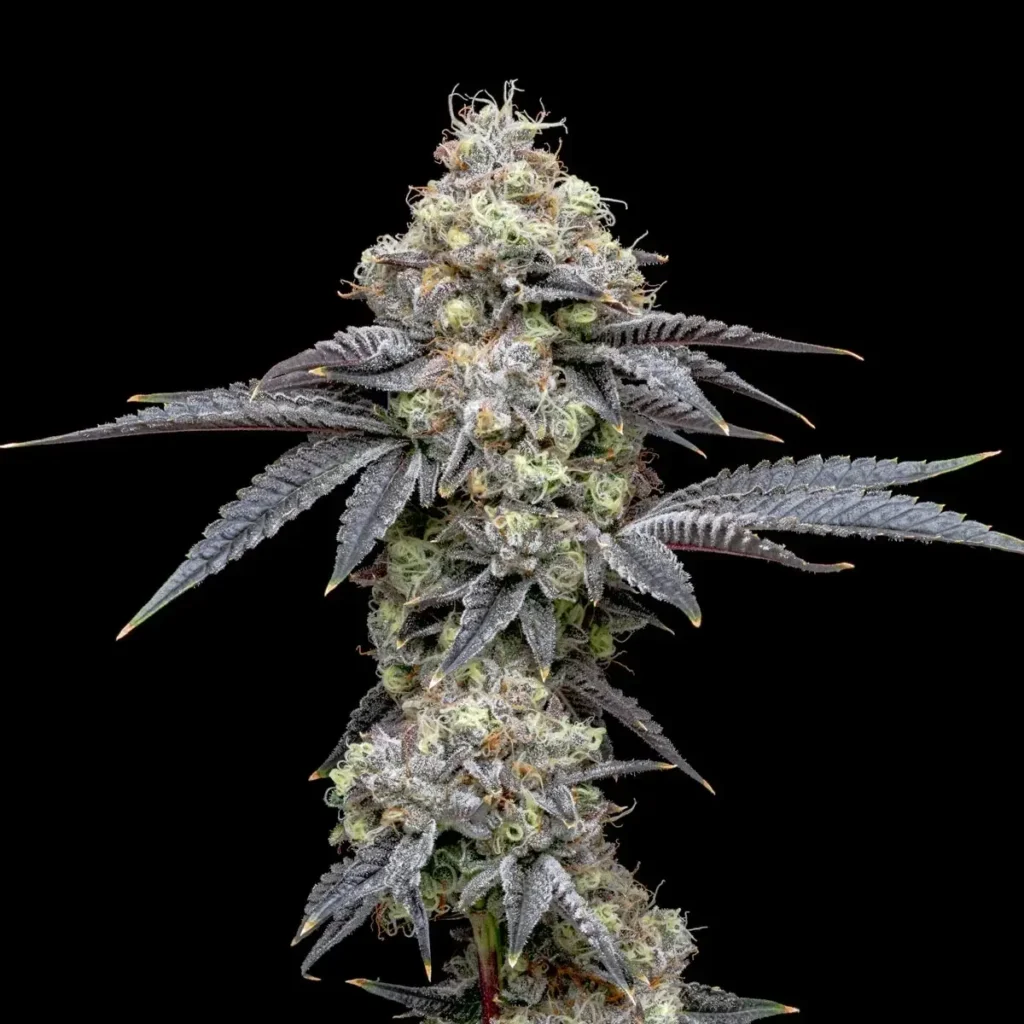
Triangle Kush: the old-school foundation
Triangle Kush is a Florida-associated OG Kush selection that predates the dessert naming era. Its contribution is not a sugary cake note. It brings the deeper foundation: earthy fuel, pepper, compact flower development and the physical weight expected from an indica-leaning Kush line. This is why authentic Wedding Cake is more complex than a simple sweet strain. Underneath the cream and fruit sits a recognisable Kush backbone.
Structurally, Triangle Kush helps explain Wedding Cake’s manageable height, dense flower formation and strong resin expression. It also accounts for the plant’s need for airflow late in flower. Density is a valuable selection trait in dry, controlled environments, but it requires judgement when autumn conditions become humid or wet.
Animal Mints: the modern dessert direction
Animal Mints descends from Animal Cookies and SinMint Cookies. Both sides carry Cookies-family ancestry, so the modern sweet, doughy and resin-heavy character reaches Wedding Cake through Animal Mints even though Girl Scout Cookies is not listed as a direct parent. This is one reason the incorrect Cherry Pie × GSC story can sound plausible. Cookies genetics are genuinely present, but the route is different.
Animal Mints contributes the polished contemporary side of the cross: heavy trichome coverage, sweet and mint-adjacent aromatic potential, compact flower structure and an effect profile commonly reported as euphoric before becoming physically relaxing. The broader history of this family is covered in Sigma’s Cookies cannabis lineage guide.
Wedding Cake lineage map
| Genetic | Background | Likely contribution |
|---|---|---|
| Triangle Kush | Florida OG-family selection | Earth, fuel, pepper, Kush depth, compact structure and physical weight |
| Animal Mints | Animal Cookies × SinMint Cookies | Sweetness, resin, modern flower density and euphoric relaxation |
| Triangle Mints #23 | Selected phenotype from Triangle Kush × Animal Mints | The recognised Wedding Cake combination of Kush gas, creamy sweetness and frosted visual appeal |
Why Two Different Wedding Cake Lineages Exist
Search for Wedding Cake seeds and two incompatible family trees appear. One identifies Triangle Kush and Animal Mints. The other identifies Cherry Pie and Girl Scout Cookies. This is not a minor disagreement over a distant ancestor. They are different immediate-parent crosses using the same commercial name.
The Cherry Pie × GSC version became entrenched early in strain databases and was reproduced by several large European seed banks. Those breeders may sell legitimate, carefully selected genetics, but their cultivar is a separate interpretation rather than the Triangle Mints #23 lineage credited to Seed Junky. The name became more portable than the original provenance.
For this review, the creator-backed account carries greater weight. Seed Junky’s Wedding Cake is Triangle Mints #23. Leafly acknowledged the discrepancy in its 2019 feature and chose to follow the creator’s account. The Sigma product similarly follows a Zamnesia-style Triangle Kush × Animal Mints representation rather than the Cherry Pie/GSC version.
Why provenance matters
A strain name is not a genetic test. When two breeders use Wedding Cake for different crosses, the parent information is more useful than the front label. Collectors should compare lineage, generation and breeder notes before assuming two products will produce the same phenotype range. This is the same discipline used in a serious phenotype hunt.
How Wedding Cake Changed Modern Cannabis Breeding
Wedding Cake arrived when Cookies genetics were already dominant, but it pushed that family into a heavier, more Kush-led direction. Gelato and Sunset Sherbet had made fruit, cream and colour central to modern selection. Wedding Cake added a denser physical structure and a deeper fuel-and-pepper foundation without losing the polished dessert presentation.
That balance made it unusually useful as a parent. Wedding Cake could add resin, potency, compact flower structure and a marketable aromatic identity without pushing every cross toward the same bright fruit profile. Its descendants include Ice Cream Cake with Gelato #33, LA Kush Cake with Kush Mints, Wedding Crasher with Purple Punch, and Jungle Cake with White Fire #43. Each retains part of the Cake signature while redirecting it through another major genetic family.
Its wider importance is also cultural. The strain helped turn pastry language into a genetic category. After Wedding Cake, the market filled with Cake, Cream, Frosting and Batter names. Some carried real Wedding Cake ancestry; others simply borrowed the vocabulary. The success of the name became both evidence of the strain’s influence and the reason its genetic identity became harder to protect.
For more on JBeezy’s role beyond this one cultivar, Sigma’s guide to the breeders behind modern cannabis genetics places Wedding Cake within Seed Junky’s broader influence. Related Sigma profiles examine Cap Junky, Jealousy and Permanent Marker.
Wedding Cake Terpenes, Aroma and Flavour
No single terpene list describes every product carrying the Wedding Cake name. Different seed lines, environments and harvest windows produce different chemical profiles. The Zamnesia representation used as Sigma’s statistical baseline specifies ocimene and myrcene, with sweet, spicy, woody and blueberry sensory notes.
Ocimene
Ocimene is often perceived as sweet, herbal and fresh, sometimes with tropical or woody edges. In this line it provides a useful explanation for the brighter sweetness and blueberry-adjacent top note. It prevents the profile from becoming entirely heavy earth and gas.
Myrcene
Myrcene commonly reads as earthy, musky and herbal. It gives depth to the Triangle Kush side and helps integrate the woody and spicy notes beneath the sweetness. Together, ocimene and myrcene describe a profile that is more layered than literal vanilla icing.
Expressions closer to the famous clone are also widely associated with creamy dough, pepper, earth and fuel. Those observations remain useful phenotype markers, but they should not be converted into guarantees for every seed. Sigma’s cannabis terpene guide explains why genetics set a range of possibilities rather than one fixed aroma.
Phenotype Variation: What to Look For
The original Wedding Cake was one exceptional phenotype. A feminised Triangle Kush × Animal Mints seed line reopens part of that genetic range. Some plants should lean toward Triangle Kush with more earth, pepper, fuel and compact growth. Others should lean toward Animal Mints with greater sweetness, more modern Cookies-style flower presentation and brighter aromatic detail.
The most convincing Wedding Cake-type keeper sits between those poles. It should retain the Kush foundation while adding sweet complexity, strong resin coverage and a manageable branching structure. Selecting only for the sweetest aroma risks losing the depth that distinguishes Wedding Cake from generic dessert genetics.
Wedding Cake keeper criteria
| Structure | Medium height, useful lateral branching, manageable stretch and good internodal spacing |
| Flower | Compact formation with heavy, even resin coverage and calyx development that does not become excessively leafy |
| Aroma | Sweet or blueberry brightness supported by spice, wood, earth and Kush depth |
| Finish | Full maturity within the 9 to 10 week range without sacrificing flower integrity |
| Avoid | Overly tight flowers in humid environments, weak branching, muted aroma or plants selected only for visual frost |
Growing Wedding Cake in Australia
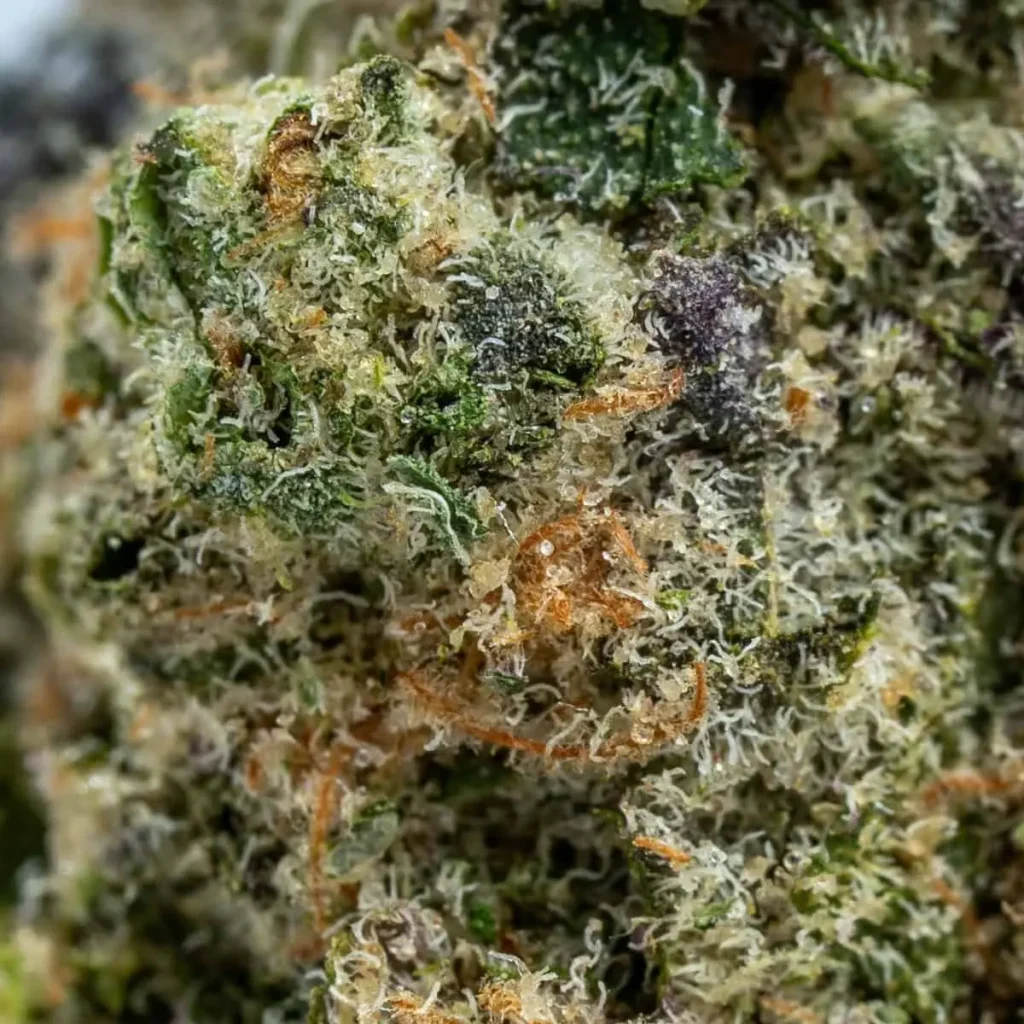
Zamnesia describes this Wedding Cake line as easy to manage indoors or outdoors, with medium height and a flowering time of 9 to 10 weeks. Breeder figures reach approximately 500g/m² indoors and 450g per plant outdoors under ideal conditions. Those are ceilings rather than promises, but they establish the line as a productive modern hybrid rather than a low-yielding boutique novelty.
Canopy management
The medium structure responds well to training. Topping or low-stress training during vegetative growth can spread the lateral branches and prevent one dense central canopy. The aim is not simply to hold height down. Opening the plant improves light distribution and creates airflow around developing flowers.
Humidity and flower density
Dense flowers are the main Australian consideration. In dry inland or southern conditions, that structure can finish cleanly with ordinary airflow. In coastal New South Wales, southeast Queensland and other humid regions, late summer and autumn moisture can turn density into a liability. Remove congested interior growth, avoid crowding plants and provide weather protection where legally permitted.
Flowering and harvest timing
The breeder specifies approximately 65 days, expressed more safely as a 9 to 10 week flowering window. Outdoors, do not convert Northern Hemisphere October claims directly into an Australian date. Latitude, planting time and individual phenotype all affect the finish. In temperate Australia, a photoperiod line of this duration will generally move toward maturity during autumn, but trichome development and flower health matter more than a fixed week on the calendar.
Sigma Secrets: Australian growing notes
Humid coast: Prioritise airflow from the beginning rather than trying to rescue an overcrowded canopy late in flower. The highest-yielding phenotype is not automatically the best keeper if it cannot finish cleanly in your climate.
Dry climates: The compact structure is better suited to dry temperate and inland conditions, provided irrigation remains consistent during flower.
Harvest: Use the 9 to 10 week figure as a planning range. Confirm maturity through resin development, calyx condition and overall plant health rather than harvesting automatically on day 65.
The Wedding Cake Line Represented by Sigma
Sigma’s Wedding Cake follows the Zamnesia specification set: feminised photoperiod genetics built from Triangle Kush and Animal Mints, indica-dominant structure, approximately 25% THC, medium height and a 9 to 10 week flowering period. The line is selected to represent the recognised Wedding Cake family in seed form rather than the unrelated Cherry Pie × GSC interpretation.
The provenance boundary is equally important. Sigma is not presenting these seeds as the original clone-only Triangle Mints #23 cut or as an original Seed Junky breeder pack. They are a feminised, line-worked representation sourced through established breeding partners. That gives collectors access to the genetic territory while recognising that the famous Wedding Cake identity began with one selected plant.
For collectors prepared to evaluate the variation rather than expecting every seed to reproduce one photograph, Wedding Cake remains one of the more instructive modern packs to run. It connects Florida Kush, Cookies-family breeding, the rise of phenotype branding and the dessert era in one compact family tree. Explore Wedding Cake feminised seeds at Sigma Seeds Australia.
Frequently Asked Questions: Wedding Cake Strain
What is the Wedding Cake strain?
Wedding Cake is an indica-dominant hybrid associated with Seed Junky Genetics. The original celebrated cultivar was Triangle Mints #23, selected from Triangle Kush and Animal Mints. The Sigma representation follows that Triangle Kush x Animal Mints lineage in feminised photoperiod form.
What are Wedding Cake’s genetics?
Wedding Cake is represented here as Triangle Kush x Animal Mints. Triangle Kush supplies the earthy, fuel-led Kush foundation, while Animal Mints contributes Cookies-family sweetness, resin production and modern dessert character.
Is Wedding Cake the same as Triangle Mints #23?
The original Wedding Cake name refers to Triangle Mints #23, a specific phenotype selected from Seed Junky’s Triangle Mints population. Seed-grown Wedding Cake lines occupy the same genetic family but should not be described as genetically identical to the original clone.
Is Wedding Cake Cherry Pie x Girl Scout Cookies?
Some seed banks sell a separate Cherry Pie x Girl Scout Cookies cultivar under the Wedding Cake name. The creator-backed account identifies the famous original Wedding Cake as Triangle Mints #23 from Triangle Kush x Animal Mints. This guide follows that provenance.
How long does Wedding Cake take to flower?
The Zamnesia-based Wedding Cake line represented by Sigma has a breeder-specified flowering time of 9 to 10 weeks, or approximately 65 days under suitable conditions. Plant maturity should determine harvest rather than the calendar alone.
What does Wedding Cake smell and taste like?
The represented line is described as sweet, spicy and woody with a blueberry accent. Ocimene and myrcene are the specified terpenes, while expressions closer to the famous cut may also show creamy dough, pepper, earth and Kush-like gas.
Is Wedding Cake suitable for growing outdoors in Australia?
Wedding Cake can be grown indoors or outdoors, but its compact, dense flowers make airflow and late-season moisture management important. Dry temperate and inland environments are more forgiving, while humid coastal regions require an open canopy and protection from prolonged autumn rain.
Where can I find Wedding Cake seeds in Australia?
Wedding Cake feminised photoperiod seeds are planned for the Sigma Seeds Australia catalogue in 5, 10 and 20 seed packs. The product represents Triangle Kush x Animal Mints genetics and is not presented as the original clone or an original Seed Junky breeder pack.
Sources and Method
Historical claims were checked against Seed Junky breeder attribution and Leafly’s 2019 Strain of the Year coverage. Product-specific flowering, potency, yield, terpene and growth figures follow the Zamnesia Seeds Wedding Cake data sheet. Breeder figures describe plants grown under ideal circumstances and should be read as reference ranges rather than guaranteed outcomes.
Leafly: Wedding Cake, 2019 Strain of the Year
Zamnesia Seeds: Wedding Cake breeder data
