RS11 seeds Australia — Rainbow Sherbet #11 is a phenotype selection from DEO Farms' Pink Guava × Sunset Sherbet cross, selected by Wizard Trees and DEO Farms from an open pollination run of 120 seeds. The #11 cut emerged as the standout expression — dense, heavily trichomed, and carrying a terpene profile that sits at the intersection of tropical fruit and gas in a way that few genetics in the modern catalogue replicate. If you're running this pack with phenotype selection in mind, understand that the original was a clone-only cut — seed versions throw genuine variation, and finding the best expression in the pack requires running it properly.
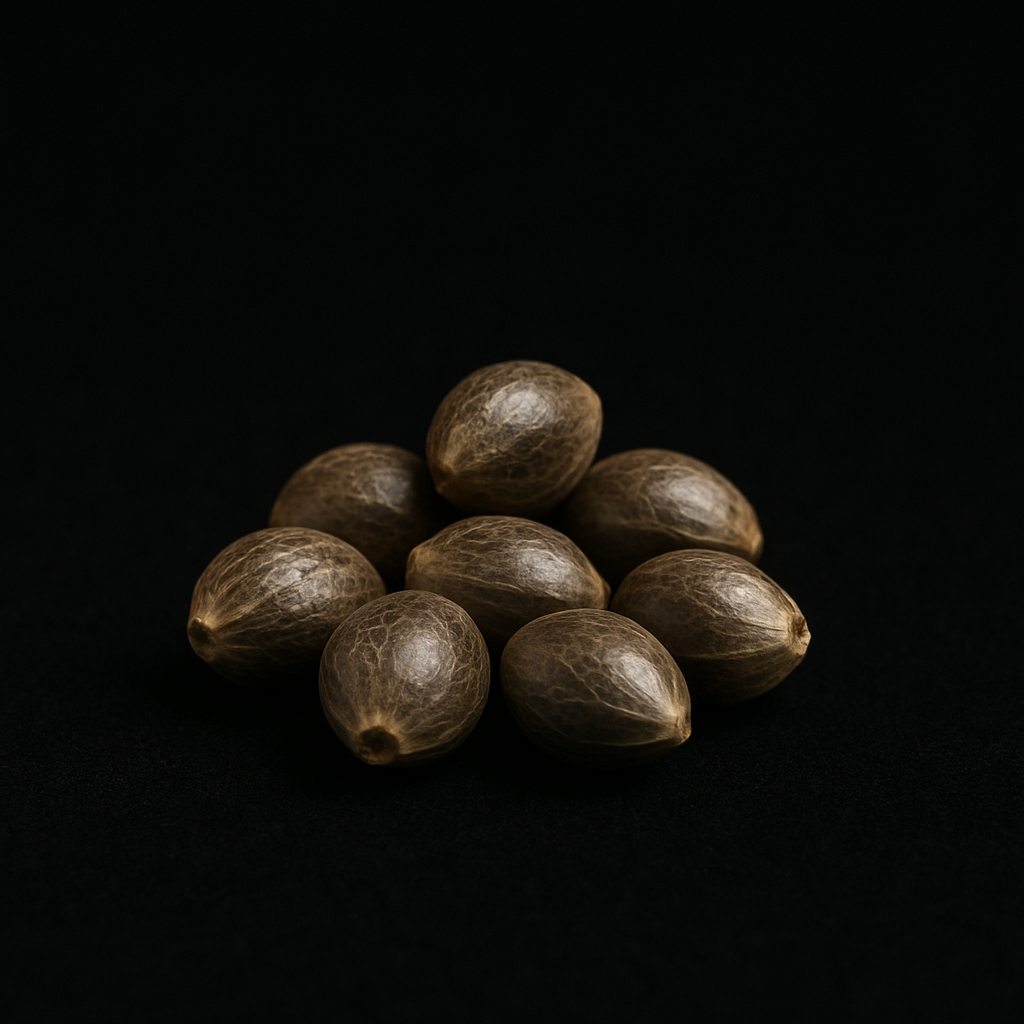
RS11 feminised seeds are available in Australia through Sigma Seeds.
The RS11 story starts with DEO Farms founder Rob and twelve packs of Dying Breed Seeds' OZ Kush — an Eddy OG × Zkittlez cross — acquired at the Emerald Cup. From that hunt, the #41 phenotype stood out: it smelled like pink guava juice. Rob F2'd that OZ Kush selection and crossed it with Sunset Sherbet to create the Rainbow Sherbet line. The open pollination run produced the genetics that Wizard Trees and DEO Farms then hunted together. From 120 seeds, two phenotypes stood out — #11 and #54. The #11 became RS11.
RS11 is limonene, myrcene, and caryophyllene dominant — but that list undersells what makes this profile distinctive. Limonene-dominant terpene expressions are rare in OG-heritage genetics. Most Cookies and OG derivatives are caryophyllene or myrcene-led, with limonene functioning as a secondary brightness note underneath the gas. RS11 inverts that structure. Limonene leads — genuinely, visibly — which is why the primary nose reads as tropical fruit and guava rather than fuel or cream. That inversion is a direct inheritance from Pink Guava, DEO Farms' OZ Kush F2 selection built specifically around the #41 phenotype's unusual tropical aroma. RS11 brought limonene-forward expression into OG-heritage genetics at a time when the market didn't have it, and that's why it became such a significant breeding cornerstone — Zoap, and much of what followed, was built on top of this terpene direction.
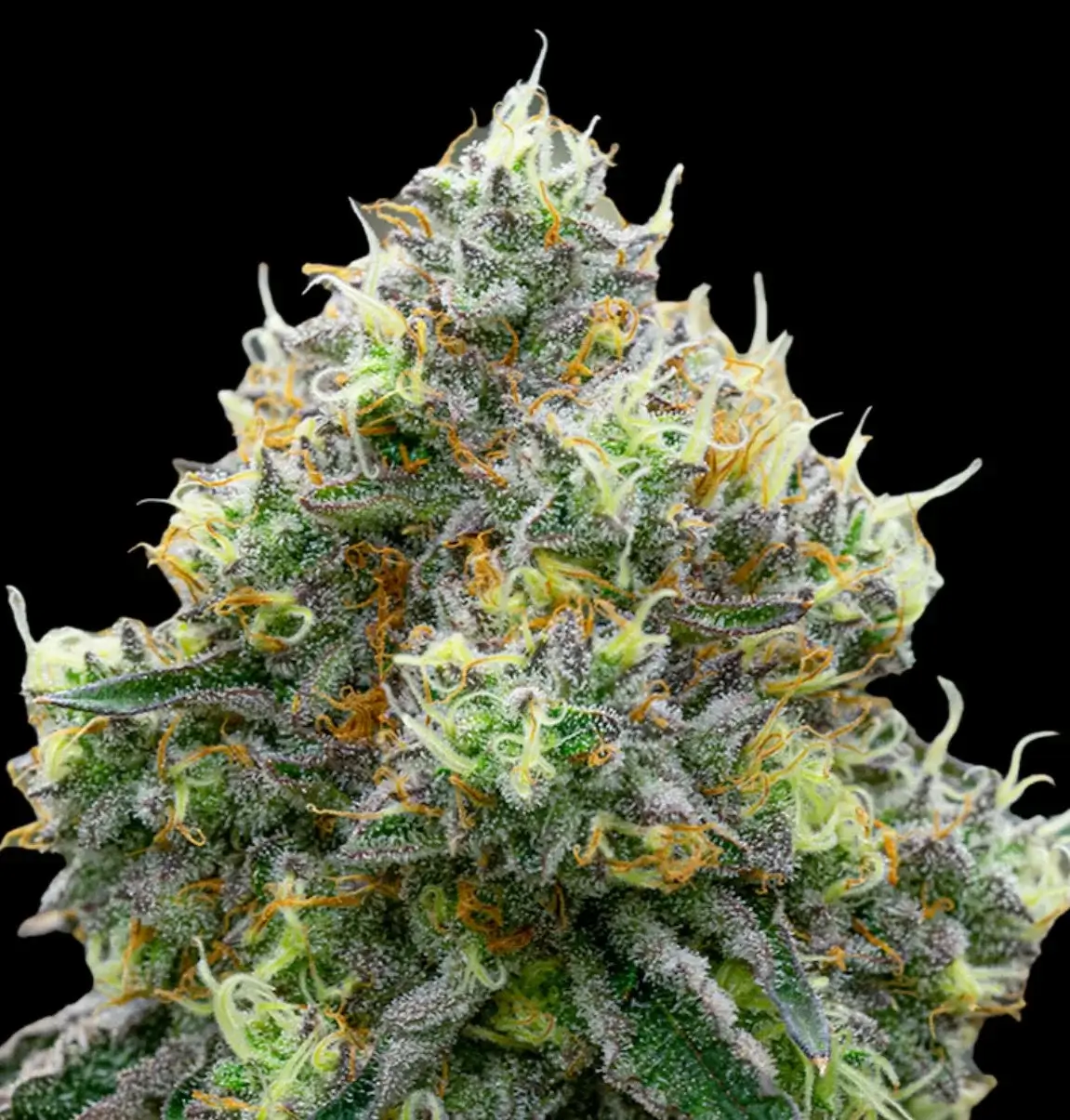
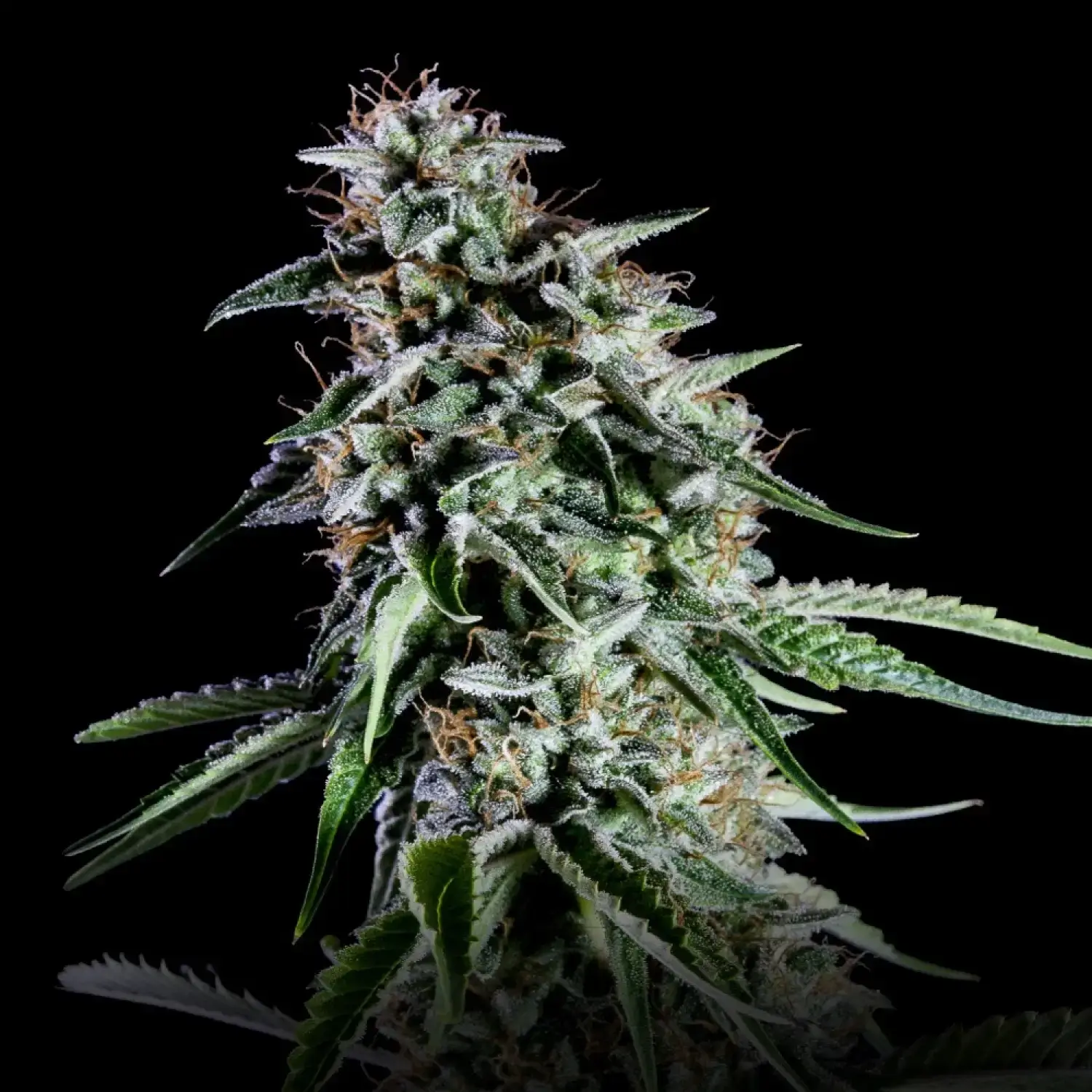
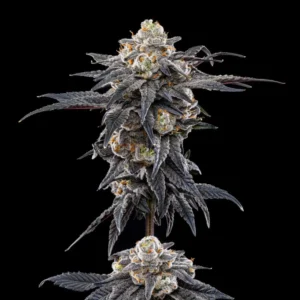
The original RS11 was a clone-only cut — a single phenotype selected from a large run. Seed versions of RS11 genetics reproduce the parental cross rather than the specific #11 expression, which means genuine variation across the pack. Some phenotypes will express the limonene-forward tropical direction more clearly — brighter, fruitier, with the guava note dominant. Others will lean toward the Sunset Sherbet side — creamier, gassier, with more purple and blue colour expression in late flower. Both are worth running. The phenos that pull toward the tropical side tend to be more terpene-complex; the phenos that lean Sherbet-forward tend to produce the heaviest resin coverage and the most striking bag appeal.
Pink Guava — DEO Farms' OZ Kush F2 — brings the tropical terpene direction: guava, citrus, and tropical fruit notes with the structural backbone of OG Kush heritage. Sunset Sherbet contributes the creamy sweetness, the berry and candy undertones, and the dense bud structure and colour expression that RS11 is known for. The result is a genetics that sits between tropical and dessert — fruit-forward without being flat, sweet without being cloying, and complex enough to reward the grower who pays attention through cure.
The downstream impact of RS11 on modern breeding is significant. Zoap — one of the most sought-after genetics of the last three years — traces back to RS11 as a parent. The Z lineage that defines much of the modern exotic catalogue in Australia runs through this cross. Understanding RS11's lineage is understanding where a significant portion of the modern market came from.
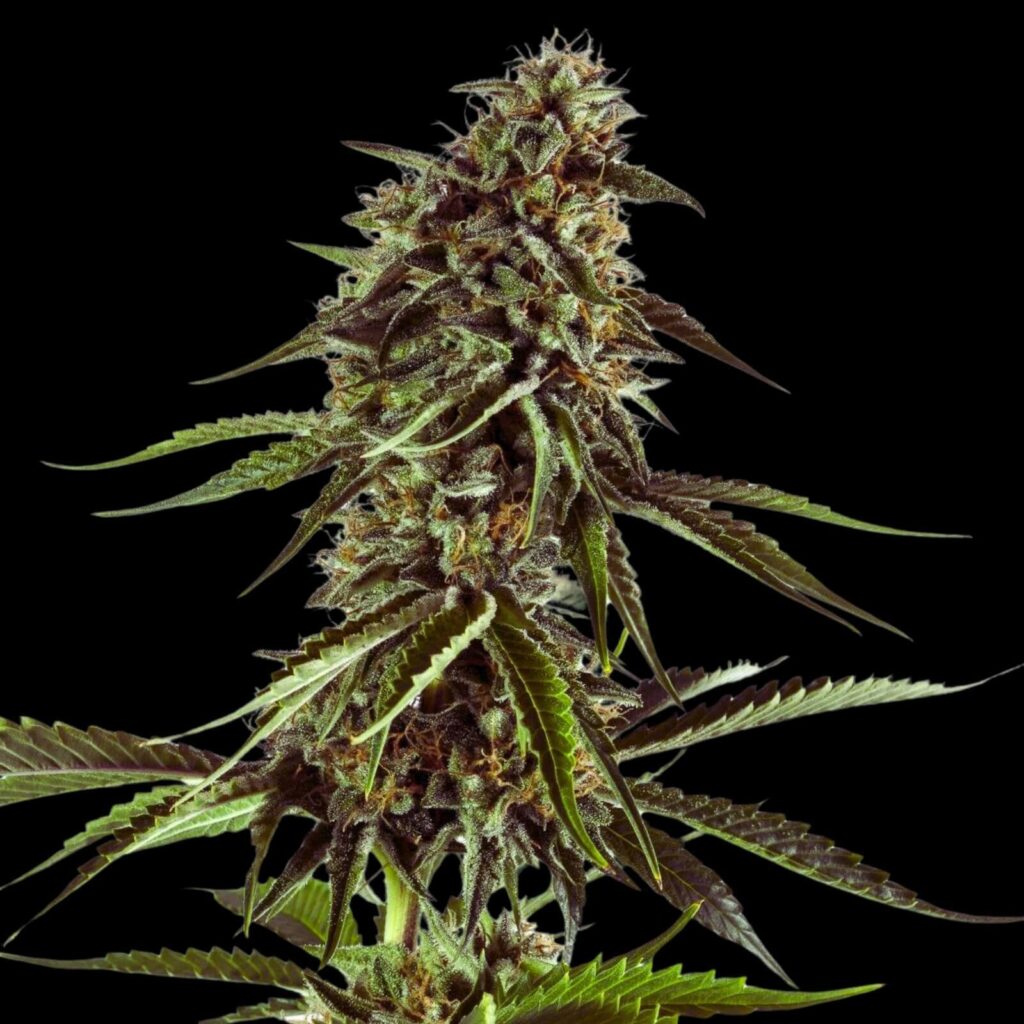
Terpene Profile — In Detail
Myrcene underpins the whole profile — earthy musk and resin amplification that deepens the aroma through cure. Caryophyllene provides the gas and spice backbone from the OG Kush heritage, sitting beneath the fruit and preventing RS11 from reading as a flat dessert strain. The best phenotypes in the pack hold all three simultaneously: tropical and guava on the nose, cream and berry in the mid-palate, gas on the finish.
Phenotype Variation — The Detail
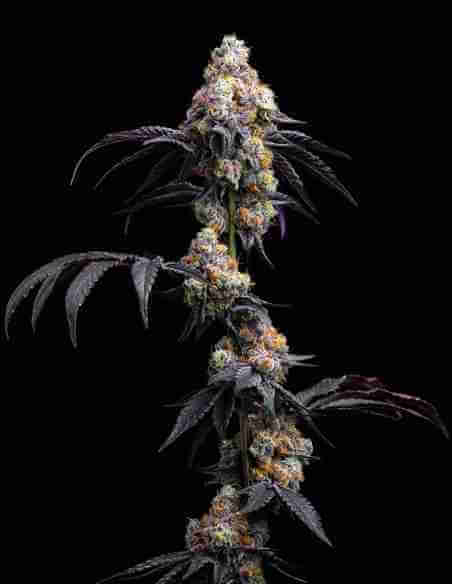
Colour expression is one of RS11's signatures — cool night temperatures in the final two to three weeks of flower will bring out the purple, blue, and lavender hues the genetics are capable of. Growers who skip this step will still get good flower but will miss the visual expression that makes this pack genuinely interesting.
Sigma Secrets
Cooler night temperatures in the last 2–3 weeks of flower — dropping to 17–18°C — will trigger the colour expression RS11 is capable of. Without the temperature differential, the genetics will still produce well but the purple and blue hues won't develop. If bag appeal and terpene complexity matter to your selection criteria, manage the temperature drop. Growers who run this line warm and fast consistently report flatter terpene profiles and less colour expression than those who give the final weeks proper environmental attention.
What to Hunt For
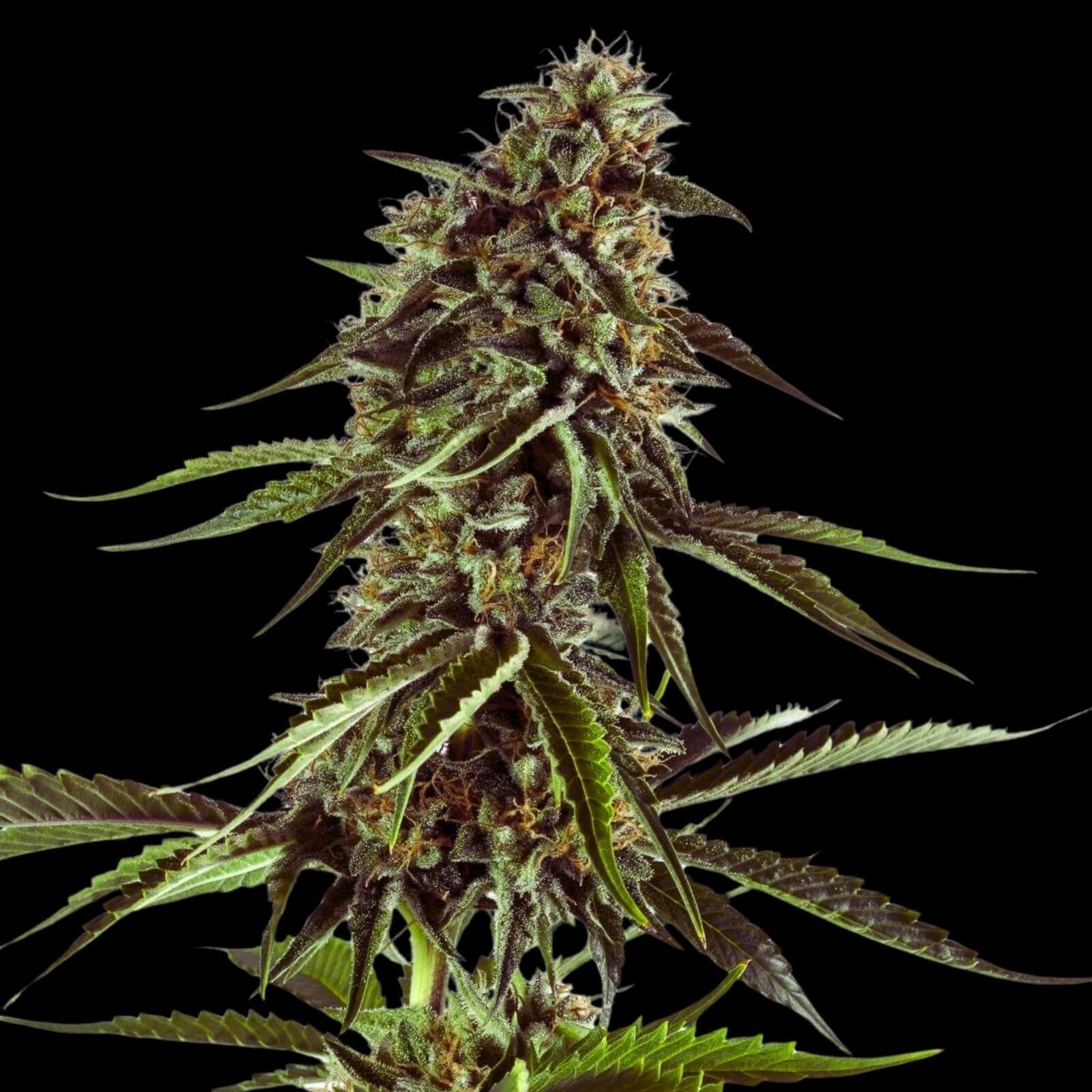
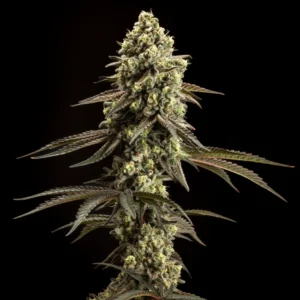
The keeper in this pack has a specific signature: the tropical nose — guava and citrus — present at peak ripeness with the gas note sitting underneath rather than overwhelming it. Exceptional trichome density across both bud and sugar leaf. Dense, compact bud structure despite the moderate sativa influence. Colour expression that develops without forcing. The phenos worth preserving are usually not the fastest finishers — give the pack its full 9–10 weeks and evaluate at week six of cure minimum before making selections. RS11's terpene profile continues to develop well through extended cure. The phenos that hold their tropical complexity at week eight and beyond are the ones worth keeping.
Growing RS11 Seeds in Australia
RS11 performs well indoors and outdoors in Australian conditions. It is a moderate-difficulty strain — not demanding, but it rewards growers who manage the environment carefully through flower. Height is medium to tall and the structure responds well to LST and topping early in veg. Training to flatten the canopy before the flip will significantly improve light penetration and lateral development, which directly affects yield and bud density across the whole plant.
Indoors, RS11 runs 9–10 weeks in flower. Yield potential is high — up to 450–500g/m² under optimised conditions. Good airflow is important throughout flower given the density of the bud structure — RS11 buds pack tightly and can be susceptible to moisture retention without adequate circulation. Nutrition demands are moderate; keep phosphorus and potassium levels balanced through mid-flower and don't overfeed nitrogen into the stretch. Flushing two weeks out from harvest is worth the effort — it pays off in burn quality and flavour clarity through cure.
Outdoors in Queensland and New South Wales coastal regions, RS11 is well-suited to the long growing season. Plants given space develop impressive lateral structure and outdoor yields of 400–600g per plant are achievable in the right conditions. Harvest timing outdoors targets late September to early October in most Australian climates — watch trichome development rather than calendar date, as the best phenotypes will signal readiness through terpene intensity and resin milkiness rather than a fixed timeframe.
Sigma Secrets
RS11 is one of the stronger candidates in the current catalogue for solventless extraction. The trichome coverage is dense and the resin quality is high — the limonene-forward terpene profile translates well into rosin, producing a complex tropical and citrus expression that is significantly more interesting than most hash candidates at this price point. For ice water extraction, trichome head development is worth assessing under magnification before harvest — the best RS11 phenotypes produce large, fully-formed heads that survive agitation and produce excellent yields. Run it cold and fast for the cleanest result.
Frequently Asked Questions — RS11 Seeds Australia
What is RS11?
RS11, or Rainbow Sherbet #11, is a phenotype selection from DEO Farms' Pink Guava × Sunset Sherbet cross — one of the most significant genetics to emerge from the California underground market in the last decade. The #11 cut was selected by Wizard Trees and DEO Farms from an open pollination run of 120 seeds and became the foundation for a significant portion of modern Z-lineage breeding, including Zoap.
What are the genetics of RS11?
RS11 is Pink Guava × Sunset Sherbet. Pink Guava is DEO Farms' own OZ Kush F2 selection — a cross of Eddy OG and Zkittlez — named for the #41 phenotype's distinctly tropical aroma. Sunset Sherbet contributes the creamy sweetness, berry notes, colour expression, and dense bud structure. The #11 designation marks the specific phenotype selected from the Rainbow Sherbet open pollination run as the standout expression.
What does RS11 smell and taste like?
RS11 is limonene-dominant — the primary aroma is tropical fruit, guava, and citrus brightness, with a creamy berry mid-palate from the Sunset Sherbet heritage and a subtle gas and spice note from caryophyllene on the finish. The best phenotypes hold the tropical complexity through an extended cure without the gas overwhelming the fruit. The nose-to-smoke translation is one of RS11's strengths — the tropical and citrus notes carry through to the flavour in a way that many Z-lineage genetics don't.
How strong is RS11?
RS11 consistently tests in the 22–28% THC range across verified sources. Some runs have returned higher figures depending on growing conditions and phenotype expression. CBD is low — typically below 1%. It is a potent hybrid with a balanced effect profile — euphoric and mentally active at the onset, with a body relaxation that develops through the experience without being sedating.
How long does RS11 take to flower?
RS11 runs 9–10 weeks in flower. Some phenotypes may push slightly longer — the best terpene expression and colour development happens in the final weeks. Don't rush the finish. The difference between harvesting at week nine and week ten is significant in terms of terpene density and the development of the colour expression the genetics are capable of.
Is RS11 suitable for outdoor growing in Australia?
Yes. RS11 performs well outdoors in Australian climates, particularly in warmer coastal regions. Outdoor plants with space to develop are capable of 400–600g per plant. Harvest targets late September to early October in most Australian climates. The genetics respond well to the long growing season available in Queensland and northern New South Wales.
Is RS11 good for solventless extraction?
Yes — RS11 is one of the stronger candidates in the current catalogue for rosin and ice water extraction. Trichome density is high and the limonene-forward terpene profile translates well into solventless products. The tropical and citrus expression in the rosin is distinctive and carries through in a way that makes it worth running specifically for extraction as well as flower.
Are RS11 seeds available in Australia?
Yes. Sigma Seeds stocks RS11 feminised seeds Australia-wide with tracked shipping from within the country and a full germination guarantee.



Try these guys out you won't be disappointed.