Jealousy seeds Australia — Seed Junky Genetics' Gelato #41 × Sherb Bx1 cross, Leafly's 2022 Strain of the Year and one of the most significant genetics to emerge from the California adult-use era. When JBeezy brought the first expression to Berner, Bern's response was immediate: "It smells like Gelato times 100." The name came from what followed — "I called it Jealousy because I knew people were going to be jealous when they saw that pheno." Caryophyllene-dominant, dessert-gas, 22-30% THC, and the direct parent of Permanent Marker. If you want to understand what this pack is capable of before you germinate, see our phenohunting guide.
The Jealousy story is a Seed Junky Genetics story — and it starts with JBeezy's access to source material that most breeders can't get near. In 2018, JB hit the Sherb Bx1 with the Gel Bern cut — not a bagseed Gelato #41, not an S1, but the specific Gelato #41 clone from Jigga (Jai), Cookies' main breeder. "It's the legit from Jai. And so was the Sherb as well," JB said. "We know this is legit." The distinction matters: Jealousy's Gelato expression is built on verified source genetics, which is a significant part of why the terpene density and consistency at scale set it apart from the dozens of other Gelato-adjacent crosses in circulation at the same time.
Jealousy's terpene story has a counterintuitive lead: caryophyllene dominates, not limonene. For a Gelato-derivative genetics, this is unexpected — most Gelato and Sherbet crosses lead with limonene, myrcene, or a combination of the two. Jealousy's caryophyllene dominance is what separates its aroma from every other dessert-adjacent cross in the current catalogue and is a large part of why Berner described it as "Gelato times 100" rather than simply "a Gelato cross." The caryophyllene brings a peppery, fuel-forward edge that sits beneath the sweetness and gives the overall profile a depth and aggression that most dessert genetics don't carry.
Jealousy seeds throw genuine variation across the two parent directions. Gelato #41-dominant phenotypes lean toward the brighter, more citrus-forward expression — sweeter on the nose, slightly taller structure, and a more pronounced limonene top note. Sherb Bx1-dominant phenotypes push the creamy dessert depth harder, with denser bud structure, tighter internodes, and a stronger caryophyllene-fuel character sitting beneath the sweetness. Both directions carry the potency ceiling — the THC performance is consistent across the pack.
Sherb Bx1 is Seed Junky's backcross of Sherbert OG with Animal Cookies — a cross JBeezy refined specifically to concentrate the creamy Sherbet character, tighten internode spacing, boost colour potential through anthocyanin expression, and improve the structural density of buds under heavy resin load. The Bx1 designation signals a backcross into the Sherbet line, which deepens the Sherbet heritage relative to a simple F1 cross. In Jealousy, Sherb Bx1 functions as both the structural backbone and the terpene depth layer — the creamy dessert base beneath the Gelato brightness.
Gelato #41 — Bacio Gelato — is the Sunset Sherbet × Thin Mint GSC cross from the Cookies family, selected for its particular density, potency, and layered sweet-fruit terpene expression. The #41 phenotype specifically is known for its stronger Sativa influence relative to other Gelato numbers, its tight internodal spacing, heavy trichome production, and a dessert nose that runs deeper and more complex than the standard Gelato profile. Stacking Gelato #41 on top of a Sherbet backcross is effectively doubling down on the Sherbet family heritage — Gelato itself being a Sherbet derivative — which concentrates and amplifies the creamy-dessert character into something Berner accurately described as Gelato taken further than Gelato itself goes.
Jealousy debuted in California adult-use stores in late 2019 as one of the lead-off strains from The Minntz — the Cookies and Seed Junky Genetics collaboration brand. By 2022 it had gone from 90 dispensaries to over 1,500 dispensaries on Leafly and was named Strain of the Year. It placed 2nd overall at the 2022 California High Times Cannabis Cup. Its downstream breeding impact is measurable — 137+ documented descendants, including Permanent Marker, arguably the most significant single genetics to follow Jealousy in the modern exotic catalogue.
Terpene Profile — The Dessert-Gas Read
Limonene follows caryophyllene — the citrus brightness that lifts the creamy-sweet mid-note and prevents the profile from reading as flat or one-dimensional. Myrcene provides the earthy-musky base depth. Linalool appears as a secondary floral thread in many phenotypes, contributing a smoothness to the exhale and a slight lavender-adjacent quality that rounds the caryophyllene edge. Humulene adds a subtle earthy-herbal note in the background. Total terpene content in well-grown Jealousy regularly tests above 2% by weight, with standout indoor batches reaching 3.5%+ — exceptionally high for the genetics category.
The aroma reads as dessert-gas: sweet cream and candy on the nose, the caryophyllene fuel note hitting immediately beneath it, citrus brightness from limonene lifting the top note, and a peppery, slightly floral finish. Bud ground-to-nose is loud and persistent — Jealousy fills a room and lingers. The Gelato inheritance is present and expressive, but the caryophyllene backbone prevents it from reading as sweet-only. It's the gas beneath the cream that makes Jealousy's profile genuinely complex rather than simply rich.

Phenotype Variation — The Detail
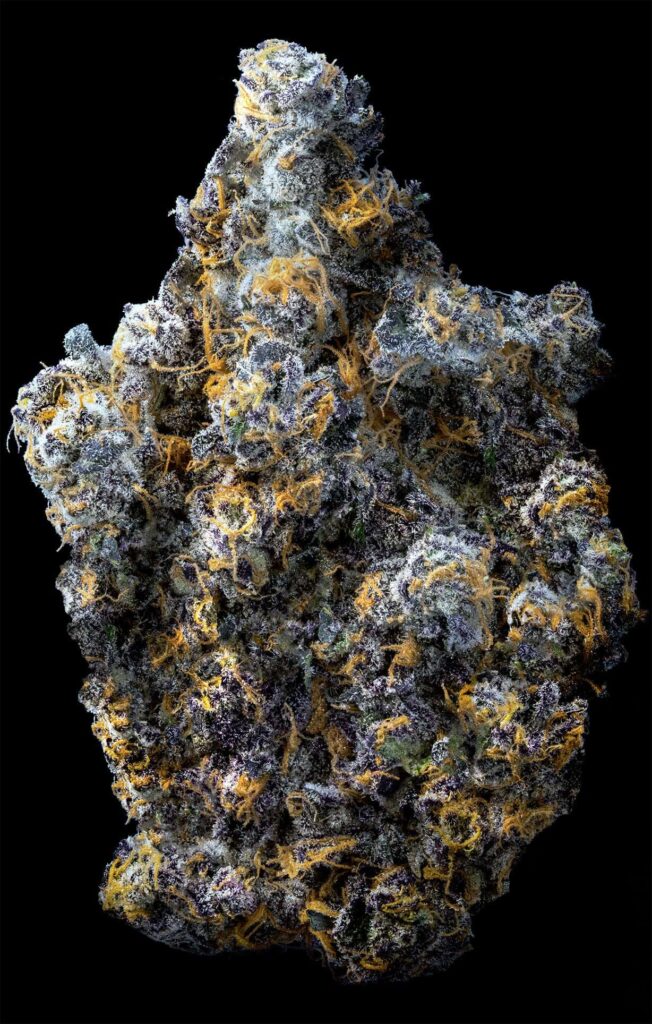
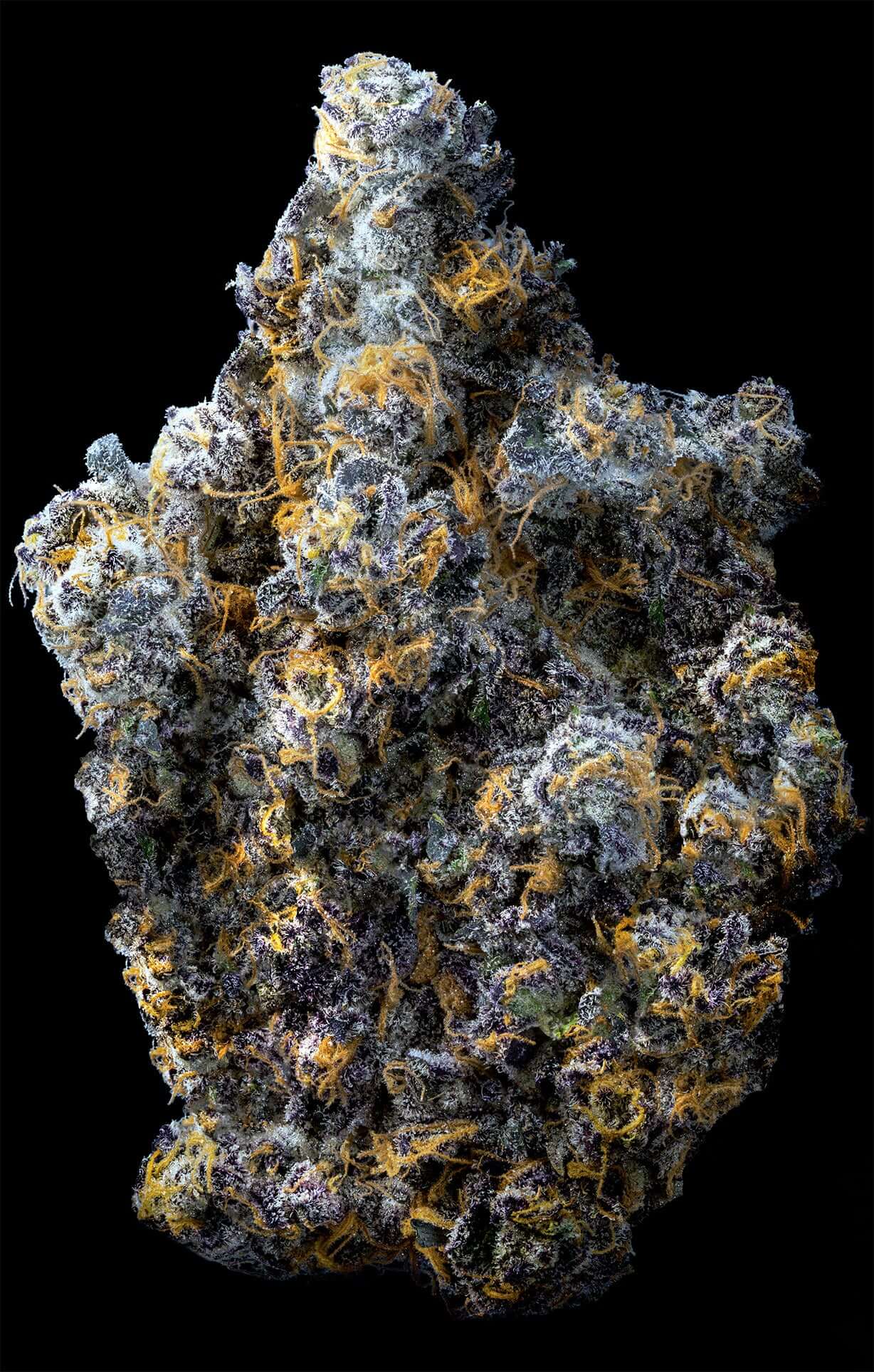
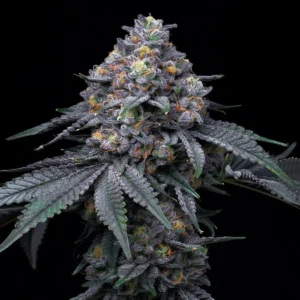
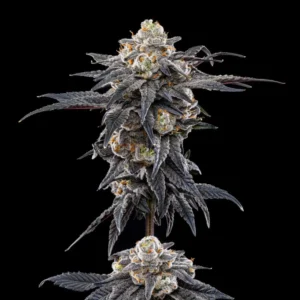
Colour expression is one of Jealousy's standout characteristics. Cool night temperatures in the final two to three weeks develop the deep purple and violet hues the Sherb Bx1 heritage is capable of — some phenotypes finishing with dark purple leaves and green bud accents under heavy trichome coverage. Orange pistils are consistently present and contrast sharply against the purple-green bud structure in the best phenos. Resin production is high across the pack and buds are dense and heavy — branches may require support in the final weeks of flower given the weight they carry.
Sigma Secrets
Jealousy is a direct parent of Permanent Marker — (Biscotti × Jealousy) × Sherb Bx1. Growers running both strains in the same hunt will notice the caryophyllene backbone and the dense bud structure in Permanent Marker trace directly back to the Jealousy parent. The linalool marker note that defines Permanent Marker is the Sherb Bx1 influence amplified through the Biscotti cross. Running Jealousy gives you direct insight into where Permanent Marker came from and what it inherited from this parent. If you're phenohunting both packs, the phenos that carry the heaviest caryophyllene-fuel character in Jealousy are the ones most closely expressing the terpene direction that JBeezy selected for when building Permanent Marker.
What to Hunt For
The keeper in this pack has the caryophyllene-fuel note present and loud beneath the creamy dessert sweetness — the gas should be felt immediately on jar open, not buried beneath the cream. Dense, compact bud structure with heavy trichome coverage and strong colour expression — purple development without forcing in the final two weeks. The limonene citrus note should lift the profile and prevent it from reading as flat or damp. The best phenotypes hold the dessert-gas complexity through an extended cure and intensify rather than flatten with time. Any pheno where the caryophyllene backbone is absent and the profile reads as sweet-only is not the keeper.
Growing Jealousy Seeds in Australia
Jealousy is rated intermediate difficulty — vigorous and productive for experienced growers, manageable for those who have run a few exotic packs previously. Height is tall and sturdy with a robust lateral branching structure. The plant responds well to topping and SCROG training to flatten the canopy — given the density and weight of the buds it produces, managed lateral development improves both light penetration and yield per square metre. Branch support in the final three weeks of flower is recommended — the bud weight on unsupported side branches is significant.
Indoor flowering runs 8-10 weeks, with most phenotypes finishing at week 9. Yield potential is high — up to 450g/m² under optimised indoor conditions. Nutrient demands are moderate — keep calcium and magnesium levels consistent through mid-flower and avoid excess nitrogen into the stretch. Odour through late flower is significant and distinctive — the caryophyllene-forward profile is detectable at distance. Carbon filtration is essential and should be in place before the plants enter flower.
Outdoors in Australian conditions, Jealousy suits temperate coastal climates well. Harvest targets early to mid-October in most Australian climates. The vigorous growth habit produces impressive lateral structure when given space and outdoor yields of 400-500g per plant are achievable with adequate room and nutrition. The cooler autumn night temperatures in the final weeks are an asset — they drive the colour expression the Sherb Bx1 heritage is capable of.
Sigma Secrets
Jealousy is one of the stronger solventless extraction candidates in the catalogue — the caryophyllene-forward terpene profile translates exceptionally well into rosin and ice water hash, producing a dessert-gas expression that is immediately recognisable and distinctive. The resin head quality is high and the trichome density across both bud and sugar leaf makes for clean, productive washes. For rosin, the creamy-gas character concentrates well and carries through in the flavour. For ice water extraction, run cold and assess trichome head development under magnification before harvest — the best Jealousy phenotypes produce large, fully-formed heads. The caryophyllene-dominant profile means the hash flavour has a slightly more aggressive, fuel-forward character than most Gelato-family extractions — which is the point of distinction that makes Jealousy rosin genuinely interesting in the extraction market.
Frequently Asked Questions — Jealousy Seeds Australia
What is Jealousy?
Jealousy is a hybrid cannabis strain bred by Seed Junky Genetics — a cross of Gelato #41 and Sherb Bx1, created by JBeezy in 2018 using verified source genetics from Cookies' main breeder. It debuted in California adult-use stores in late 2019 through The Minntz brand and was named Leafly's Strain of the Year in 2022. It is the direct parent of Permanent Marker. Named because Berner "knew people were going to be jealous when they saw that pheno."
What are the genetics of Jealousy?
Jealousy is Gelato #41 × Sherb Bx1. Gelato #41 is the Bacio Gelato cut — a Sunset Sherbet × Thin Mint GSC cross from the Cookies family, used in verified clone form from Cookies' main breeder Jigga. Sherb Bx1 is Seed Junky's backcross of Sherbert OG with Animal Cookies, selected to concentrate creamy Sherbet character and improve structural density. The name contains the phonetic root "gel" from Gelato.
What does Jealousy smell and taste like?
Dessert-gas — sweet cream and candy on the nose, with a caryophyllene fuel-and-pepper note sitting immediately beneath the sweetness. Limonene citrus brightness lifts the top note. Linalool adds a subtle floral smoothness to the exhale. The gas beneath the cream is what distinguishes Jealousy from a standard Gelato cross — Berner described it as "Gelato times 100," which is the most accurate single description of what the caryophyllene dominance adds to the Gelato base.
How strong is Jealousy?
22-30% THC across verified batches, with most well-grown indoor examples landing in the mid-to-high 20s. CBD is negligible — typically below 1%. The effect onset is euphoric and uplifting, with a warm physical relaxation that develops without being sedating. Mentally relaxed but physically energetic — a balanced effect that made Jealousy accessible across a wide consumer range.
How long does Jealousy take to flower?
8-10 weeks in flower, with most phenotypes finishing at week 9. Cooler night temperatures in the final two to three weeks significantly improve colour expression — the purple and violet hues the Sherb Bx1 heritage is capable of require a temperature differential to develop.
Is Jealousy suitable for outdoor growing in Australia?
Yes. Jealousy performs well outdoors in temperate Australian climates. Harvest targets early to mid-October. Outdoor yields of 400-500g per plant are achievable with adequate space and nutrition. The vigorous lateral growth habit rewards growers who give the plant room to express its branching structure.
Is Jealousy good for solventless extraction?
Yes — one of the stronger candidates in the catalogue. Trichome density is high and the caryophyllene-forward profile produces rosin and ice water hash with a distinctive dessert-gas character that is more fuel-forward and aggressive than most Gelato-family extractions. Run cold for ice water extraction and assess trichome head development before harvest.
Are Jealousy seeds available in Australia?
Yes. Sigma Seeds stocks Jealousy feminised seeds Australia-wide with tracked shipping from within the country and a full germination guarantee.




I cant wait.
As per usual, Sigma Seeds have done great in bringing new strains to everyone to enjoy.
Great work guys. 😃😃👍