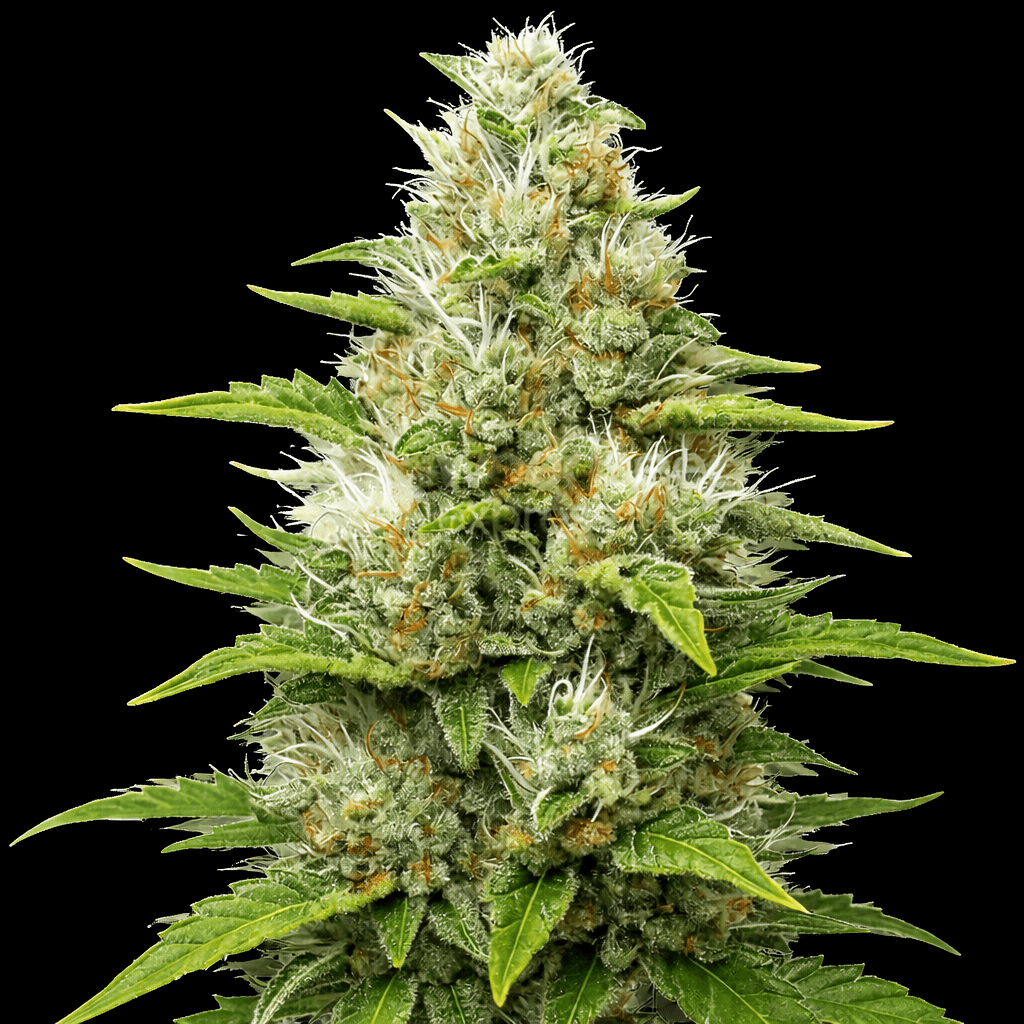
Auto Future #1 seeds Australia — Anesia Seeds' autoflower version of their GG4 × Starfighter F2 cross, the same genetics that put Future #1 on the map with lab-tested THC figures that sit well above most of the auto category. 28% THC, tropical mango-citrus terpenes, and exceptional resin production in a 9-10 week seed to harvest cycle. No light schedule, no photoperiod management — just the Future #1 profile in a format that fits any setup. For growers new to running packs, see our phenohunting guide before you start.
Auto Future #1 carries the same core lineage as the photoperiod version — GG4 × Starfighter F2 — with ruderalis genetics introduced by Anesia Seeds to create the automatic flowering trait. This is the same cross that Anesia developed over two years of selective breeding, choosing the auto format to make the Future #1 profile accessible without the light cycle dependency of the photo version.
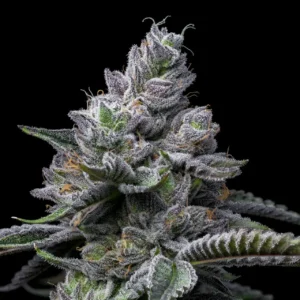
Auto Future #1 leads with Myrcene — the same terpene direction as the photoperiod version. Myrcene provides the dense, tropical base: the mango note that opens the profile and gives it depth. Nerolidol appears as a secondary terpene, contributing a woody, slightly floral quality that adds complexity to the tropical sweetness and is less common in the broader auto category. Limonene brings the citrus brightness — the pineapple and citrus zest that lifts the Myrcene base and creates the overall impression of tropical fruit rather than earth. The combination creates a profile that reads clean, vivid, and distinctly different from the heavier, more chemical-dominant profiles typical of high-THC autos.
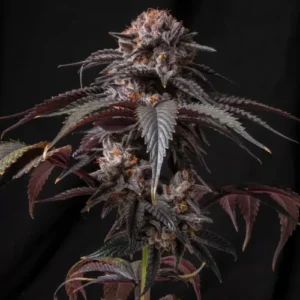
Auto Future #1 shows variation primarily in the balance between the GG4 and Starfighter F2 expression. GG4-dominant phenotypes lean heavier in structure and resin mass with the earthy-diesel undertone more pronounced beneath the tropical fruit. Starfighter-dominant phenotypes push the tropical and citrus notes harder and tend to grow slightly taller with a looser bud structure. The best phenotypes sit between the two — maximum terpene expression from the Starfighter side held in the dense, resin-coated structure the GG4 parent contributes.
GG4 — Gorilla Glue #4 — is a Chem's Sister × Sour Dubb × Chocolate Diesel cross from GG Strains, known for its extreme resin production, heavy Myrcene-forward terpene profile, and the structural density that made it one of the most replicated genetics of the last decade. The resin mass GG4 contributes to Auto Future #1 is significant — this is one of the few auto genetics that produces trichome density genuinely comparable to the better photoperiod options. Starfighter F2 is a complex Alien Tahoe OG × Lemon Alien Dawg hybrid from Bodhi Seeds, contributing the tropical and citrus terpene direction — the mango and pineapple notes that distinguish Auto Future #1 from the earthier, more diesel-forward expression that GG4 alone would produce. The F2 generation of Starfighter was specifically selected for increased terpene complexity and expression stability.
The ruderalis introduction for the auto version is handled by Anesia with enough care that the terpene profile is well-preserved — the tropical mango-citrus character of the Starfighter side carries through cleanly in quality phenotypes, which is not always the case when auto genetics are rushed to market.
Terpene Profile — In Detail
Total terpene concentration in the auto version is slightly lower than the photoperiod equivalent across most phenotypes — a function of the compressed lifecycle rather than genetic quality. The profile character is preserved, but growers accustomed to the photo version should calibrate their expectations accordingly on initial jar open.
Auto vs Photoperiod — What's Different
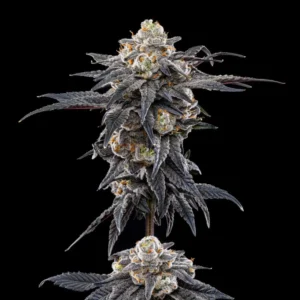
Auto Future #1 shares the GG4 × Starfighter F2 lineage with the photoperiod version but behaves differently across several dimensions. The most significant is the Sativa/Indica ratio — the auto expresses as Sativa dominant (70% Sativa / 30% Indica), which is a meaningful shift from the balanced hybrid character of the photo version. This shows in the structure — the auto grows taller and stretchier relative to its size than the photo, with a Christmas-tree structure and more lateral branching. The effect profile reflects this shift — the auto leads with a more cerebral, uplifting onset before the GG4-derived body weight settles in.
THC holds up well in the auto format at 28% — comparable to the lower end of the photo version's range. This is unusually strong for an auto and one of the defining characteristics of Auto Future #1 within the current Australian market. Yield is similarly impressive for the format — up to 450-500g/m² indoors with up to 250g per plant outdoors. These are photoperiod-competitive numbers in an auto package.
Phenotype Variation — The Detail
Because this is an auto, phenotype selection across the pack requires running multiple seeds simultaneously rather than re-vegging or taking cuts. Plan accordingly — a five-seed pack run simultaneously gives you the best read on what the genetics can produce.
Sigma Secrets
Auto Future #1 has a significant appetite for nitrogen — a trait inherited directly from the GG4 side. Growers who run standard auto feed schedules frequently see nitrogen deficiency symptoms by week two to three. Start feeds at full strength for nitrogen from the moment true leaves appear and monitor closely. The plant will show yellowing on lower leaves quickly if underfed, and unlike a photoperiod plant, it doesn't have time to recover from a prolonged deficiency. Calcium and magnesium demand is also elevated through flower — supplement consistently rather than reactively.
What to Hunt For
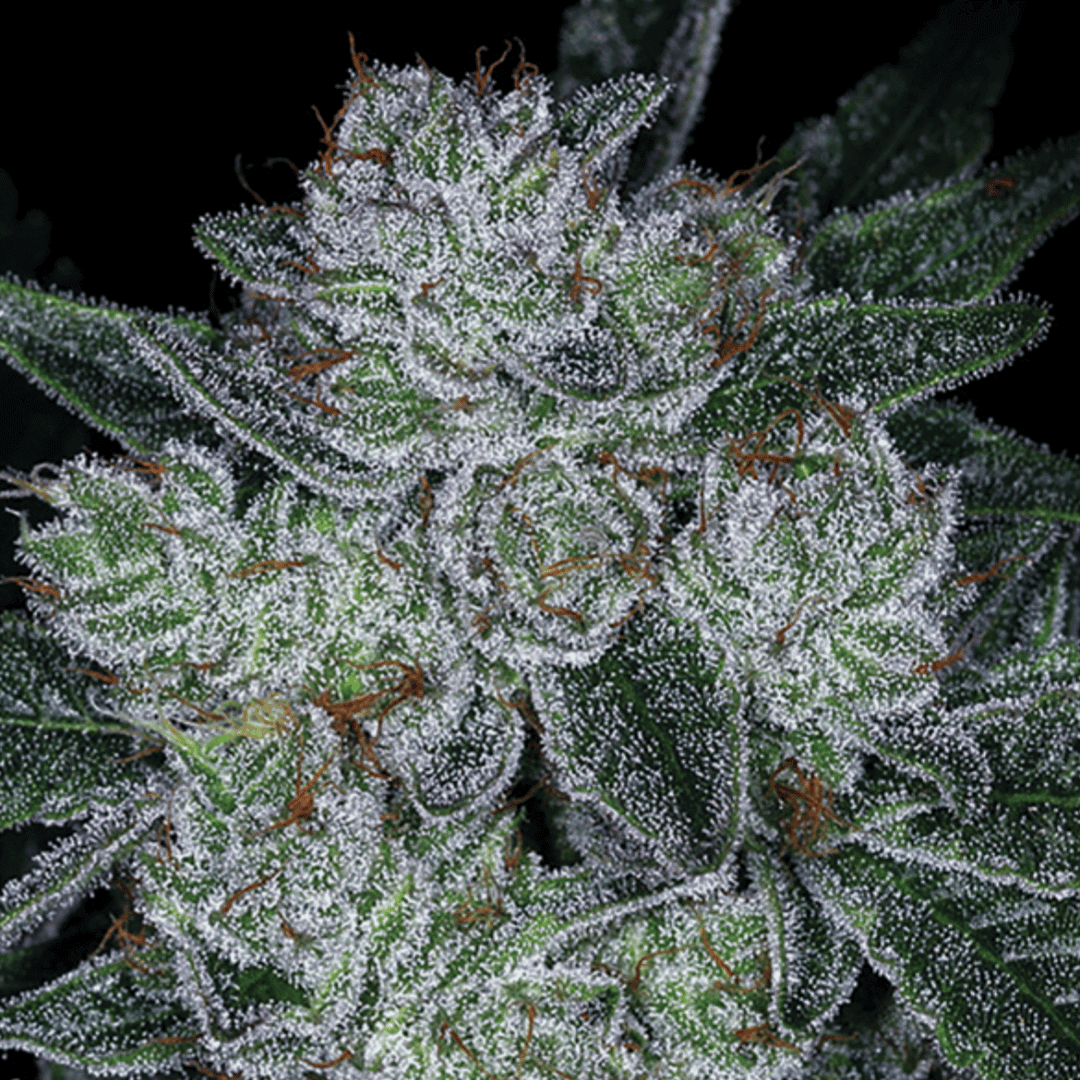
The keeper in this auto pack has a vivid tropical mango opening — Myrcene-forward but clean, not earthy or damp — with the Limonene citrus note lifting it into pineapple-fruit territory. Dense, resin-coated bud structure with the glassy, heavy trichome coverage that GG4 genetics consistently produce. The Nerolidol woody-floral complexity should be present as a background note on slow exhale — its absence suggests a phenotype that's pulled too far toward either parent. Above all, the THC expression should be felt — Auto Future #1 is one of the strongest autos on the market and the best phenotypes will confirm that clearly.
Growing Auto Future #1 Seeds in Australia
Auto Future #1 is rated moderate difficulty. The Sativa-dominant structure means it grows taller than many auto genetics — height management through LST in the first three weeks is worthwhile in indoor setups with limited vertical space. The plant responds well to bending and tying but avoid hard cuts or topping in the first three weeks — the auto lifecycle doesn't allow recovery time from aggressive early training.
Seed to harvest runs 9-10 weeks under any light schedule. Indoor yield potential is high at 450-500g/m² under 18-20 hours of light. The faster lifecycle relative to the photo version makes multiple indoor runs per year straightforward. Outdoors in Australia, the auto format allows timing flexibility that the photoperiod version doesn't — multiple runs through the warmer months are achievable in most Australian climates, with summer runs producing the best results under maximum daylight hours.
The odour through late flower is strong and distinctly tropical — carbon filtration is essential for indoor grows. The resin production creates sticky, dense flowers that benefit from a slow, careful trim. Cure at 60% RH — the Myrcene and Nerolidol terpenes are preserved well through a proper cure and the tropical profile deepens with time.
Sigma Secrets
Auto Future #1 is one of the stronger extraction candidates in the auto category — GG4 heritage means trichome density is genuinely high and the resin quality supports both rosin and ice water hash. The Myrcene-forward tropical profile concentrates well in solventless formats and the Nerolidol contribution adds an interesting woody-floral dimension to the hash flavour that distinguishes it from the broader GG4-derivative category. For rosin, the auto produces better results at slightly higher press temperatures than most autos — the dense GG4 bud structure requires more heat to flow. Start at 80°C and adjust from there.
Frequently Asked Questions — Auto Future #1 Seeds Australia
What is Auto Future #1?
Auto Future #1 is an autoflowering feminised version of Anesia Seeds' GG4 × Starfighter F2 cross — the same genetics as the photoperiod Future #1, adapted for automatic flowering. 28% THC, tropical mango-citrus terpenes, and exceptional resin production in a 9-10 week seed to harvest cycle.
Is Auto Future #1 the same as the Future #1 photoperiod?
Same core lineage — GG4 × Starfighter F2 — with ruderalis genetics added for automatic flowering. The auto expresses as more Sativa dominant (70/30) compared to the balanced hybrid of the photo version, with a taller, stretchier structure and a more cerebral onset. THC holds at 28% — unusual strength for an auto.
What does Auto Future #1 smell and taste like?
Tropical mango and pineapple-citrus, driven by Myrcene and Limonene with Nerolidol adding woody-floral complexity in the background. Clean, vivid, and distinctly tropical — one of the more expressive terpene profiles in the current auto category.
How long does Auto Future #1 take from seed to harvest?
9-10 weeks seed to harvest under any light schedule. No light cycle change required. Indoor growers typically run 18-20 hours of light throughout for maximum yield.
What yield can I expect from Auto Future #1?
Up to 450-500g/m² indoors under optimised conditions. Up to 250g per plant outdoors. Competitive numbers for an auto format, reflecting the GG4 heritage's yield potential.
Is Auto Future #1 suitable for outdoor growing in Australia?
Yes. Automatic flowering removes light cycle dependency, making multiple outdoor runs per season achievable in most Australian climates. Summer runs under maximum daylight hours produce the best results. The Sativa-dominant structure suits outdoor growing well — give the plant space to express its lateral branching.
Is Auto Future #1 good for solventless extraction?
Yes — one of the stronger auto extraction candidates available. GG4 heritage contributes genuine trichome density and the tropical Myrcene-Nerolidol profile concentrates well in rosin and ice water hash. Press at slightly higher temperatures than standard autos to account for the dense GG4 bud structure.
Are Auto Future #1 seeds available in Australia?
Yes. Sigma Seeds stocks Auto Future #1 feminised seeds Australia-wide with tracked shipping from within the country and a full germination guarantee.


I will be back.👍👍
Thanks Ken