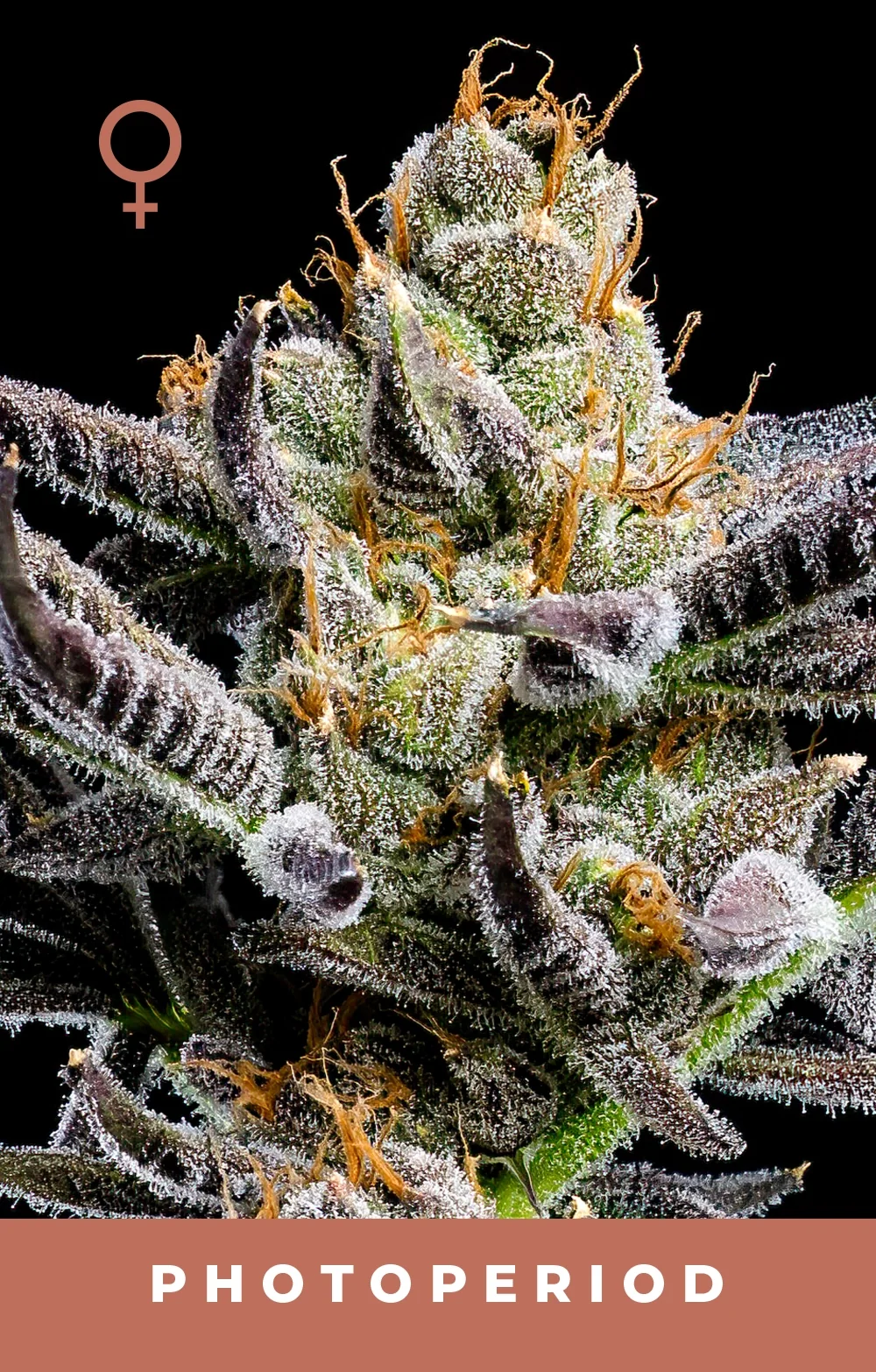
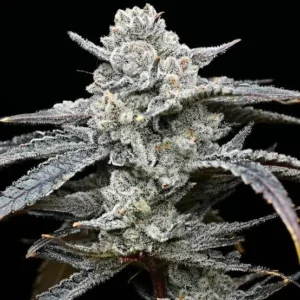
Jelly Donutz seeds Australia — a Hella Jelly × White Runtz candy-gas dessert hybrid originally created by Humboldt Seed Company, finishing faster than almost anything in its class. Berry jam and sweet dough over a cotton-candy-and-fuel nose, up to 35% THC breeder-stated, and dense purple-and-green buds carrying the kind of greasy, oversized resin heads that make it a standout wash candidate. Sativa-leaning, vigorous, mould-resistant, and genuinely easy to grow — with an indoor flower of around 55 days.
Jelly Donutz is a Hella Jelly × White Runtz cross — the candy-gas dessert line Humboldt Seed Company created over a three-year pheno-hunt, selected hard for a fast finish without losing potency.
NB: We do not stock the Humboldt line — our Jelly Donutz is the same Hella Jelly × White Runtz cross from trusted breeders, with full credit to Humboldt as the original breeder.
No published lab panel pins the exact order, so the read below is inferred from the reported aroma and the Gelato-Runtz lineage. Limonene leads the candy-citrus top note, caryophyllene brings the floral-diesel gas underneath, and a creamy sweetness from the Gelato side ties it to the dessert character. The HSC description sums it up well — cotton candy dipped in petrol and caramel.
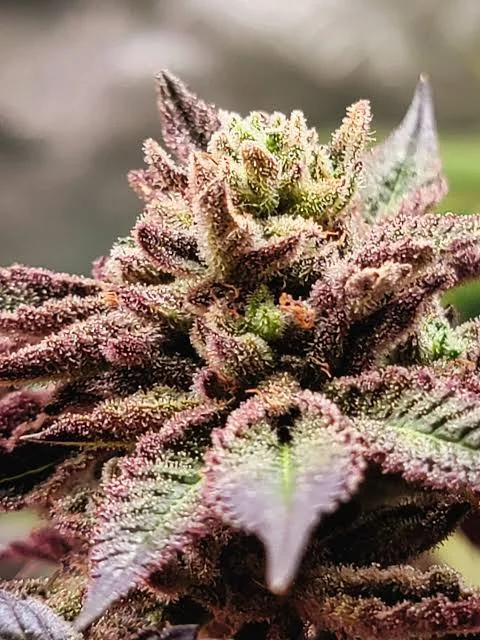
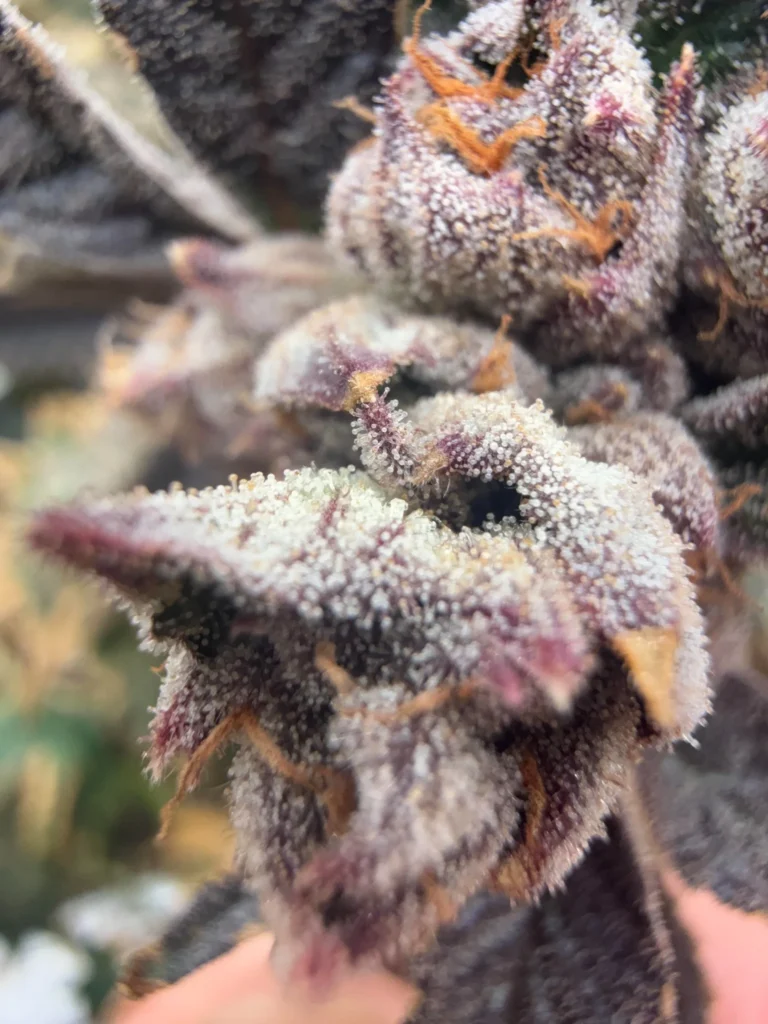
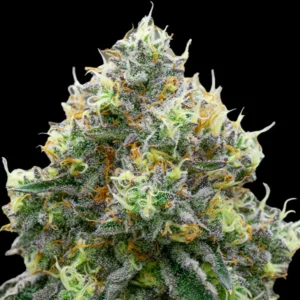
Variation runs between the Hella Jelly berry-jam side and the White Runtz candy-gas side. Some phenotypes lead fruitier and brighter, with the berry-jam up front; others run gassier and creamier, with the Runtz candy-diesel dominant. Colour varies too — the best phenos finish deep purple against green under a heavy frost, while others stay greener but no less resinous.
Hella Jelly is Humboldt's own cross of Notorious THC × Very Cherry (once known as Jelly Rancher). It brings the berry-jam sweetness, the fast flowering time, and the vigour and mould resistance that make Jelly Donutz as forgiving as it is — Hella Jelly is one of HSC's hardiest, quickest staples.
White Runtz is a Zkittlez × Gelato cross, and the Humboldt line was built on an authentic cut sourced from the Emerald Cup. It brings the creamy candy character, the floral-diesel gas, and the greasy resin load and bag appeal that define the finished flower.
Humboldt's current feminised pedigree is more complex than the two-parent cross suggests — they list it as Jelly Donutz (#160 × #17) × Hella Jelly × White Runtz, a reworked and backcrossed line. The three-year project was about stabilising the candy-gas expression and locking in the fast finish, which is why the pack runs more consistent than most sativa-dominant dessert crosses.
Terpene Profile — In Detail
On jar open the candy and cream arrive first, with the floral-diesel gas sitting underneath rather than leading — this is a dessert strain with a fuel edge, not a gasser with a sweet note. On the grind the caramel and cotton-candy sweetness deepens and the diesel sharpens. The profile holds its candy character through cure, and the better phenotypes keep the fruit and the gas both audible rather than letting one flatten the other.
Phenotype Variation — The Detail
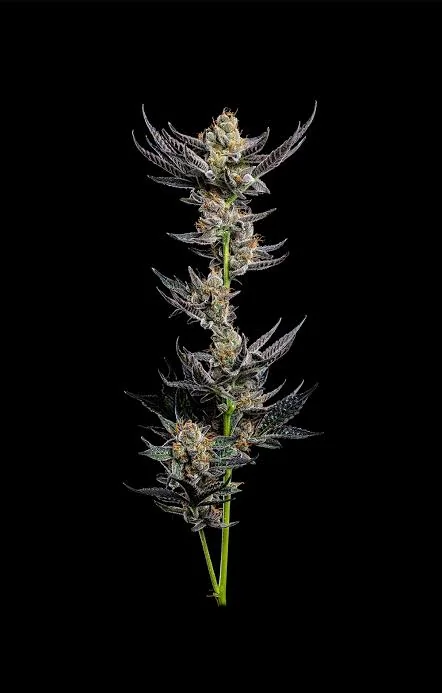
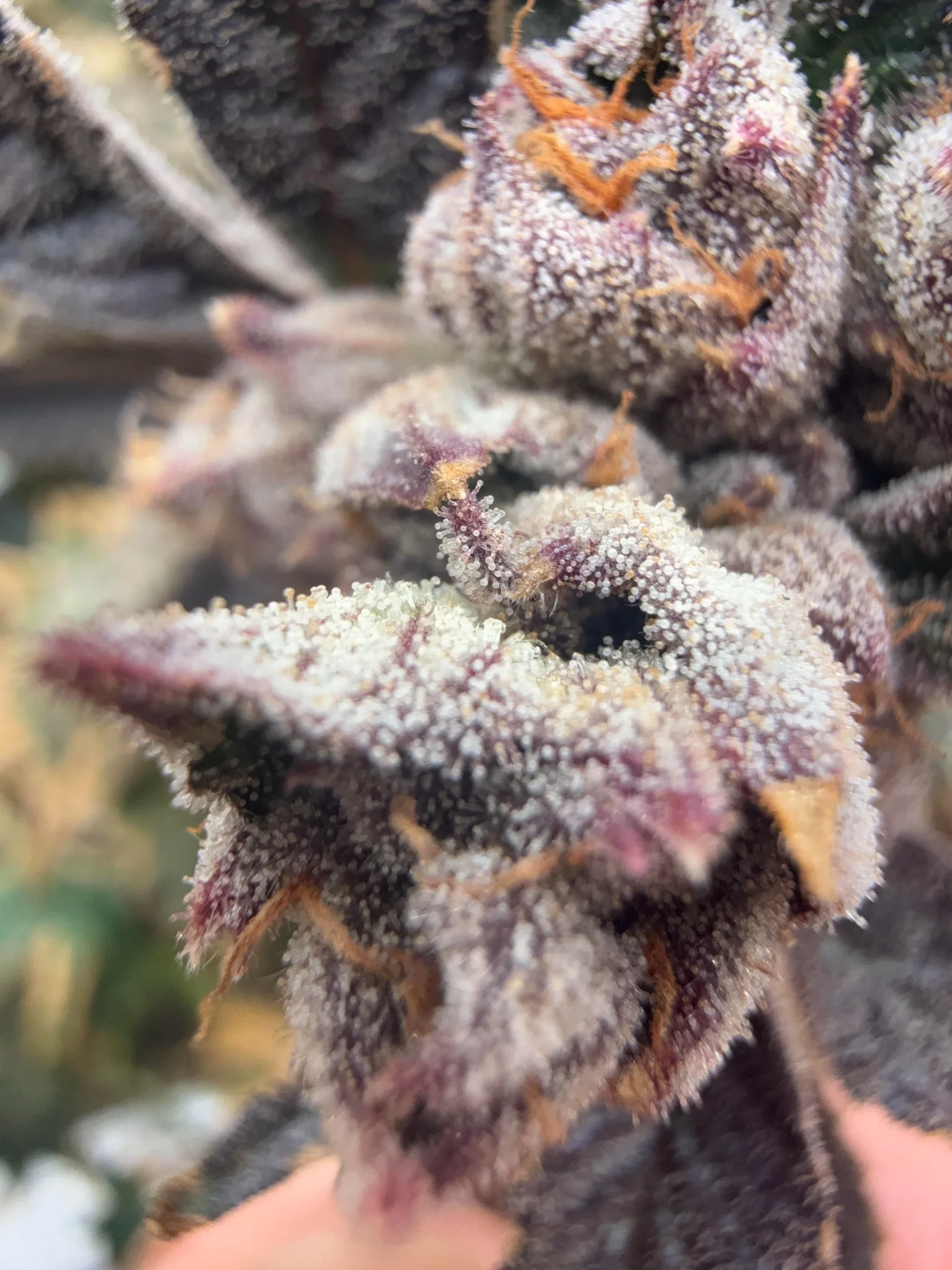
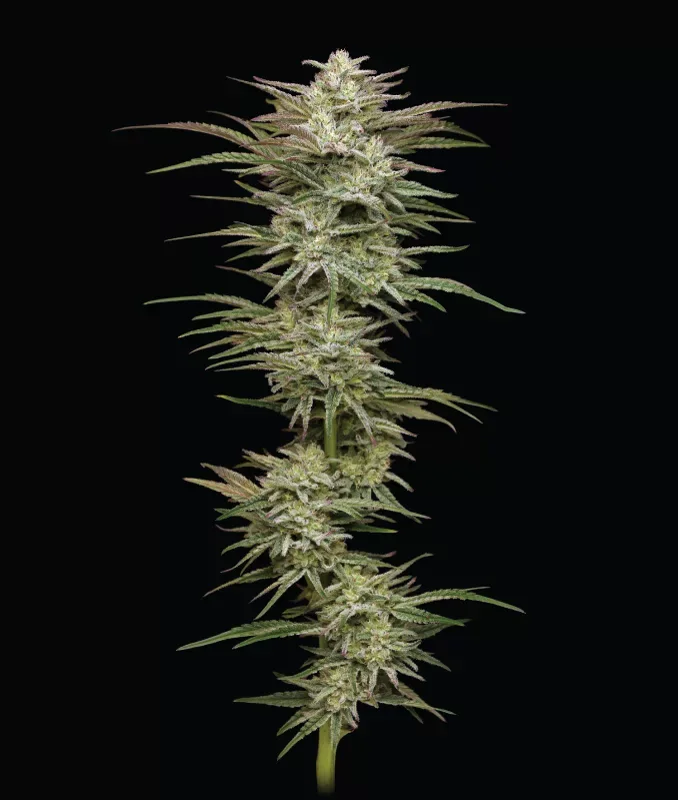
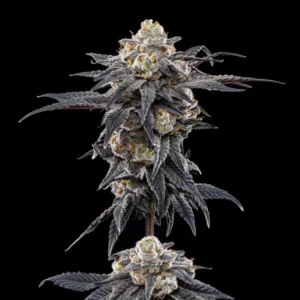
Structurally this is a medium-tall plant that builds vertical rather than bushy, on strong, stable stems that hold the large dense colas without much staking. Resin coverage is heavy across the whole pack — greasy, glassy, oversized trichome heads, the full-melt-grade morphology that makes it such a strong wash candidate (more on that below) — and the plant carries real mould and powdery-mildew resistance, which is unusual for a dense-budded dessert hybrid and a genuine asset in a humid finish.
What the grow reports add to that picture is consistency. Cultivators running this line describe the same arc again and again: fast, near-total germination, a deliberately slow veg, then almost no stretch on the flip — the plant arrives at flower close to the height it finishes. Feeding is where it asks the most; it takes high light and a heavy nutrient load without complaint and reads as a genuine heavy feeder rather than a delicate one. Reports of hermaphrodite traits or genetic instability are notably absent, which isn't something you can say of every fast dessert hybrid. And the resin clouds early — some growers pull a faster-finishing phenotype well inside the window and still report a strong, energetic, long-lasting effect.
Sigma Secrets
Jelly Donutz grows against type, and knowing that saves you a season. It's slow and vertical through veg, then it barely stretches in bloom — the opposite of most sativa-doms, which explode after the flip. So give it the veg time to build its height before you flip, because what you see at flip is roughly what you finish with; don't bank on a big flower stretch to fill the canopy. The payoff is the finish: around 55 days of flower plus real mould and mildew resistance makes this one of the few sativa-dominant plants that beats an Australian autumn — it's cut and dry before the wet sets in, which is exactly when a slower, softer-budded strain starts rotting from the inside.
What to Hunt For
The keeper carries both halves of the cross: the berry-jam and candy sweetness up front, the floral-diesel gas underneath, with neither flattening the other through cure. Look for the deepest purple colour paired with the heaviest, greasiest resin, and favour the phenos that hold their candy character rather than drifting to pure gas. Because the whole pack finishes fast, the keeper is the one that reaches that full candy-gas-and-frost expression inside the short window — not one that needs an extra fortnight it isn't built to run.
Growing Jelly Donutz Seeds in Australia
Jelly Donutz is one of the easier packs in the catalogue to run — vigorous, resilient, and resistant to grey mould and powdery mildew, which makes it forgiving for a grower with a season or two behind them. It reaches a medium-tall 120-150cm indoors on strong vertical stems, and takes topping and ScrOG well to spread the canopy and lift the lower colas.
Flowering is fast — around 55 days, roughly 7-8 weeks — which is unusual for a 60% sativa and one of the strain's best features. Indoor yields run high at 500-600g/m².
Outdoors, the fast finish is what makes Jelly Donutz worth running right across Australia's climate range, and the zone you're in changes what it gives you. In the subtropical north — the Northern Rivers, south-east Queensland, the humid coastal strip — the short flower and genuine mould-and-mildew resistance are the whole argument: it comes off in early autumn, ahead of the humidity and the autumn wet that rot slower, denser dessert strains from the inside out. Keep airflow moving through the colas and stay on top of the canopy late and it handles the subtropics better than buds this dense usually do. What you trade away up north is colour — warm nights tend to keep the purple muted unless a cool snap lands near the finish.
In the temperate south — Victoria, Tasmania, the ACT, southern NSW, the Adelaide Hills — the cool autumn nights do the colour work for you, pulling the deep purple the genetics carry with no intervention, and the quick finish gets the plant off before the cold, damp tail of the season sets in. The watch here is simply running out of warmth: start early so the plant has built its height before the days shorten, because this is a slow-veg, low-stretch plant that won't rush to catch up.
Across both zones the fundamentals hold: give it the veg time it needs to build height, feed it well — it's a heavy feeder that handles a strong program — and keep airflow moving through the dense colas in the final weeks. It rewards a steady hand rather than a fussy one.
Sigma Secrets
The greasy, oversized trichome heads that Jelly Donutz throws are what make it a standout wash candidate — extractors consistently rate it a top solventless pick, and the White Runtz Gelato heritage is the reason. The one thing to respect is the candy top note: limonene and the cotton-candy sweetness are the most heat-fragile part of the profile, the same way the citrus is on the fruit strains in the range. Run ice water cold and short, and press rosin at the lower end — around 75°C — to keep the candy and cream in the final product. Press it hot and you'll get a competent floral-diesel rosin, but the dessert character that makes Jelly Donutz what it is will have cooked off.
Frequently Asked Questions — Jelly Donutz Seeds Australia
What is Jelly Donutz?
Jelly Donutz is a sativa-leaning hybrid (roughly 60% sativa / 40% indica) bred by Humboldt Seed Company from Hella Jelly × White Runtz. It's a candy-gas dessert strain — berry jam and sweet dough over a cotton-candy-and-fuel nose — known for heavy resin, deep purple-and-green colour, up to 35% THC breeder-stated, and an unusually fast flowering time of around 55 days.
What are the genetics of Jelly Donutz?
Hella Jelly × White Runtz. Hella Jelly (Notorious THC × Very Cherry) brings the berry-jam sweetness, fast flower and mould resistance; White Runtz (Zkittlez × Gelato) brings the creamy candy, floral-diesel gas and greasy resin. Humboldt's full reworked pedigree is Jelly Donutz (#160 × #17) × Hella Jelly × White Runtz, the result of a three-year stabilisation project.
What does Jelly Donutz smell and taste like?
Berry jam and sweet dough with a cotton-candy and caramel sweetness, over a floral-diesel gas underneath — Humboldt describe it as cotton candy dipped in petrol and caramel. The candy and cream lead, with the fuel edge sitting beneath rather than dominating. Limonene, caryophyllene and a creamy myrcene base drive the profile.
How strong is Jelly Donutz?
Humboldt state up to 35% THC, with CBD under 1%. Independent testing more commonly lands it in the mid-to-high 20s, so treat 35% as a well-grown ceiling rather than a typical result. Either way it's potent — an energetic, euphoric, creative lift that settles into relaxation, and long-lasting with it.
How long does Jelly Donutz take to flower?
Around 55 days indoors — roughly 7-8 weeks — which is fast for a sativa-dominant strain and one of its main selling points. Outdoors in Australia, expect an early autumn finish around late March into April across most southern regions. The quick finish helps it beat the autumn wet.
How big does Jelly Donutz get?
Medium-tall — around 120-150cm indoors on strong vertical stems, taller outdoors with space. It builds height in veg rather than stretching hard in flower, so give it veg time and train early to manage the canopy.
Is Jelly Donutz good for solventless extraction?
Yes — it's a standout wash candidate thanks to the greasy, oversized trichome heads from the White Runtz Gelato heritage, and extractors consistently rate it a top solventless pick. Run cold and press rosin at the lower end (around 75°C) to protect the heat-fragile candy top note.
Are Jelly Donutz seeds available in Australia?
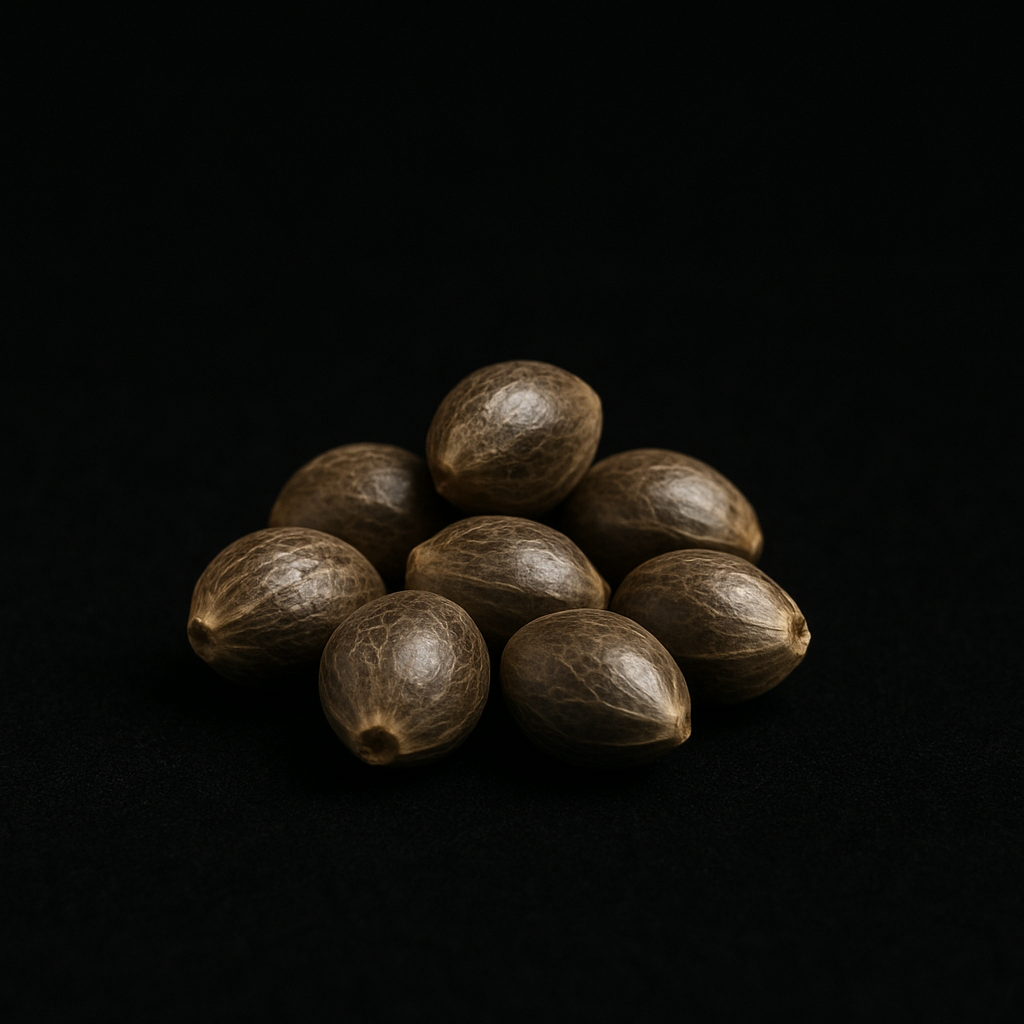
Yes. Sigma Seeds stocks Jelly Donutz feminised seeds Australia-wide with tracked shipping from within the country and a full germination guarantee.



Reviews
There are no reviews yet.