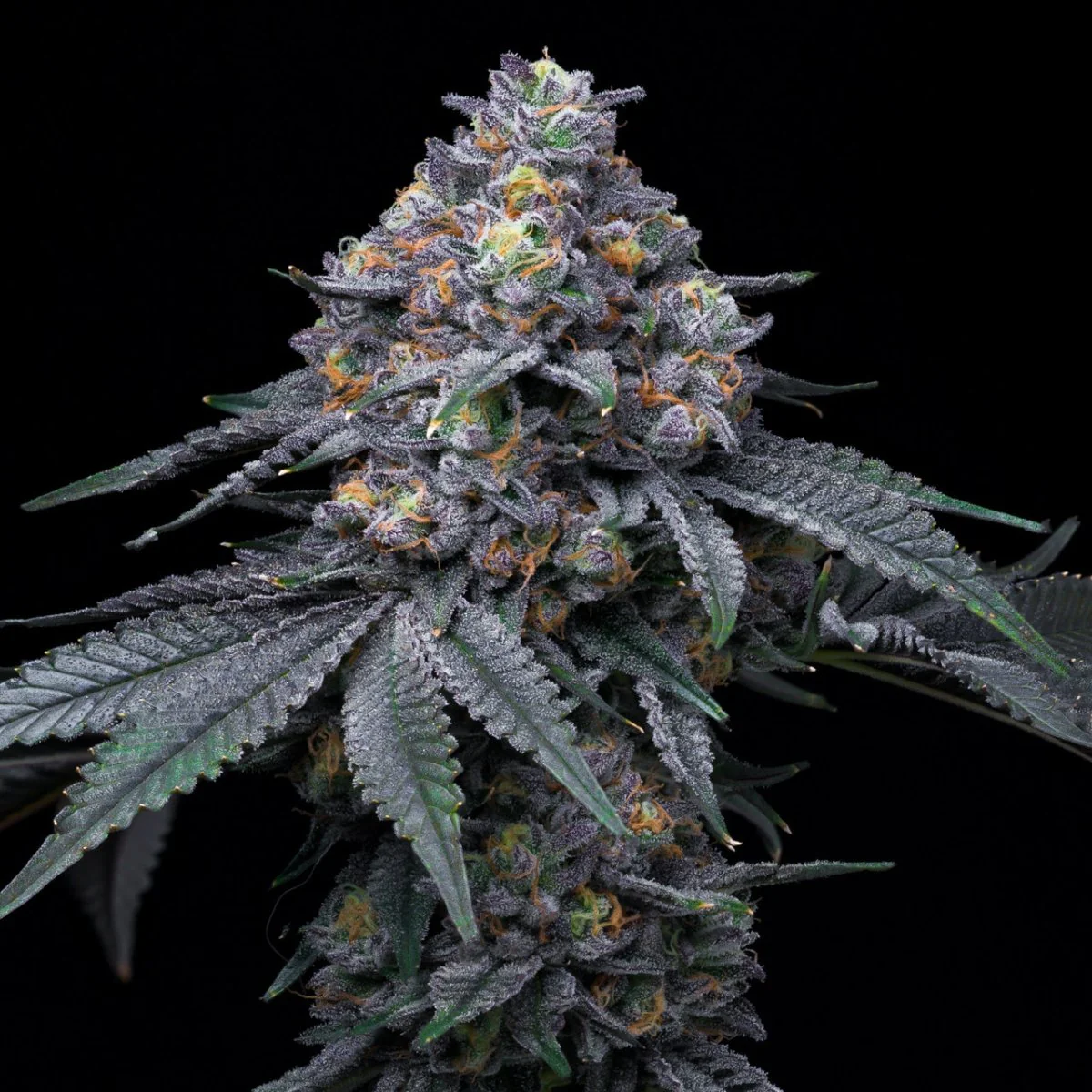
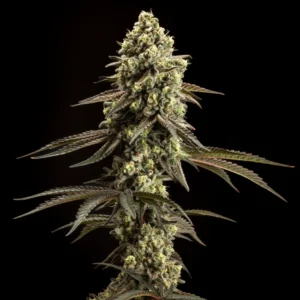
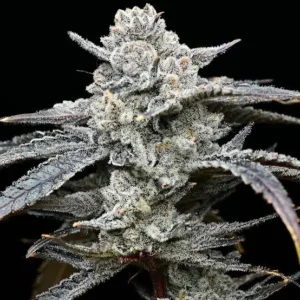
Blackberry Moonrocks seeds — a feminised, line-worked version of the Blue Moonrock × Blackberry Kush cultivar originally bred by Anesia Seeds. This resin-heavy, 80% indica can finish deep purple to near-black, with dark berry, blueberry and lavender over a hashy, peppery base. Breeder-reported ceiling of 33% THC, strong mould resistance and excellent solventless potential.
▲ THC 26-33% · △ CBD: Below 1%
Indica dominant
Sativa 20% · Indica 80%
✓ Germination Guaranteed✓ Tracked AU Shipping✓ Discreet Packaging
Blackberry Moonrocks — Blue Moonrock × Blackberry Kush
Blackberry Moonrocks seeds Australia — Blue Moonrock × Blackberry Kush. An 80% indica from Anesia Seeds that finishes deep purple, often near-black, and carries a breeder-stated 33% THC. The nose is dark blackberry and blueberry over a hashy, peppery base, with a distinct lavender thread that traces to the Afghani-rooted Blackberry Kush father.
Extreme resin production and breeder-rated extraction performance. If you're running this pack for the first time, see our phenohunting guide before you start. For the complete lineage, terpene, and grow breakdown, see our full Blackberry Moonrocks strain guide.
Blue Moonrock × Blackberry Kush — The Lineage
Blackberry Moonrocks comes from a selected female Blue Moonrock crossed with a male Blackberry Kush. Blue Moonrock sits on a Bubblegum-derived backbone — the BOG Bubble and Bluemoon side — which supplies the sweet, candy-fruit top notes that lift the profile.
Blackberry Kush brings the Afghani-indica foundation: dense structure, heavy resin, and the dark berry character the strain is named for. Anesia selected both parents over a long process for flavour and potency, and the result reads as blackberry jam over a hashy, kush-and-gas base.
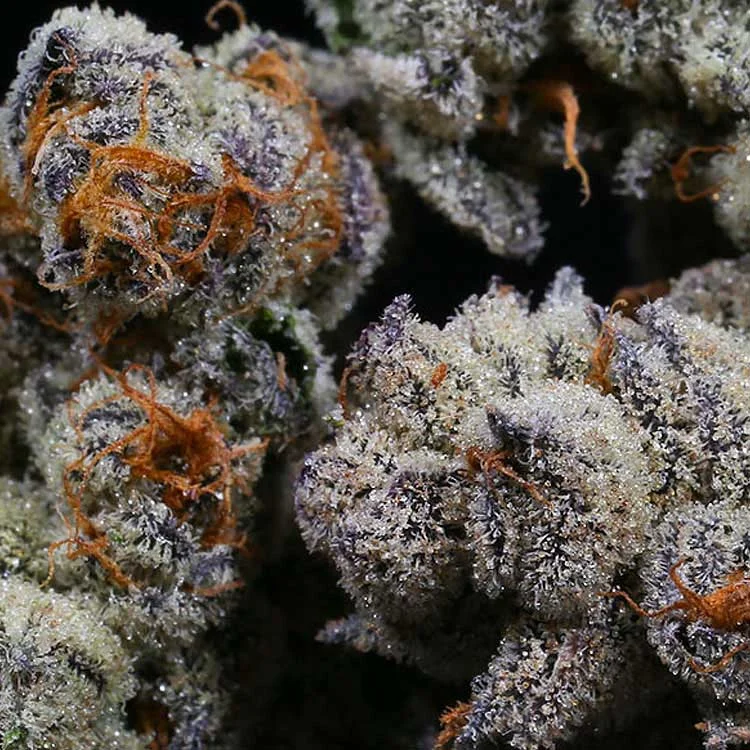
The "moonrocks" name refers to the buds themselves — rock-hard, frosted, and dense enough to resemble resin-coated stones — not the oil-and-kief product that shares the name. The two are unrelated.
Terpene Profile — Myrcene, Caryophyllene, and the Lavender Signature
Anesia publish aroma descriptors rather than a full lab breakdown, so the dominance order below is drawn from grower and third-party reporting across the strain. Expect it to shift with phenotype and cure.
Myrcene anchors the profile with musky, stone-fruit weight that reads as dark berry. Caryophyllene follows, adding the peppery, resinous base that keeps the sweetness from going flat and ties into the hashy Kush undertone. Limonene lifts the top end with a light citrus edge.
Linalool is the signature — the floral, lavender note that separates Blackberry Moonrocks from a straight berry-kush and gives the aroma its distinctive perfumed quality. On the cure, jars often start as bright blackberry and blueberry and deepen toward darker jam and hash over several weeks.
Dominant Terpenes
Myrcene — musky, dark-berry stone fruit — anchors the profile · Caryophyllene — pepper, spice, resinous base · Limonene — light citrus lift · Linalool — the lavender signature beneath the berry
Phenotype Variation — What to Expect Across the Pack
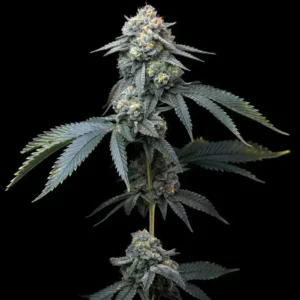
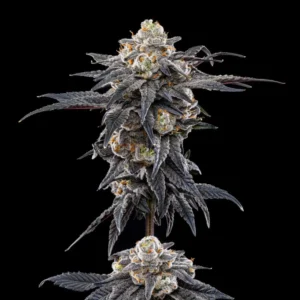
The most visible variation across a pack is colour — phenotypes range from deep violet through to near-black, with the darkest needing a cool finish to fully develop their anthocyanin pigment. Beyond colour, the split runs between a brighter, jam-forward berry pheno and a heavier, perfumed one that leans into spiced herb and a hashier kush note. Resin production is high across the board.
Grower reports describe the range as forest berry with fresh herbal undertones at one end, perfume and spiced herb over sweet berry at the other. The colour is genetic, but it won't express on its own — the darkest finishes need the cool late-flower swing described below.
The densest, most trichome-loaded individuals are the keepers. Stretch is modest and structure stays fairly uniform, so the hunt here is about resin and terpene expression, not managing height.
Sigma Secrets
To pull the darkest finish, drop night temperatures 5–8°C below daytime through the last two to three weeks of flower — cool, not freezing. That swing is what triggers the anthocyanin expression behind the purple-to-near-black colour. Hold humidity down through late flower as well: the dense buds reward airflow and punish a damp tent. Blackberry Moonrocks carries strong mould and mildew resistance, which buys some margin, but the colour and the resin both come good on a clean, cool finish.
What to Hunt For
Prioritise resin density and terpene clarity over colour alone. A near-black bud with a flat nose is worth less than a violet one drenched in trichomes. The keeper is the phenotype that combines dark colour, heavy frost, and the lavender-over-berry terpene lift — that individual is the one to clone, and it presses well. Any phenotype that runs pale and thin on resin, or where the lavender signature drops out, is not the keeper.
Growing Blackberry Moonrocks Seeds in Australia
This is a forgiving plant for the Australian climate. It prefers a drier environment and resents humidity, which suits inland and temperate grows better than humid coastal subtropics without dehumidification. The strong mould and mildew resistance gives some margin, but it isn't a licence to ignore airflow in a wet finish.
Flowering runs 8–9 weeks indoors. Outdoors, expect an early-to-mid autumn finish — late March into April across most southern regions. Plants stay medium-sized at roughly 110–130cm with sturdy branching that supports the heavy, rock-hard buds without much staking.
Anesia note the plant responds well to topping, and veg time is what drives final yield — give it room to bush out before the flip. It's a heavy feeder through mid-flower, so keep calcium and magnesium up to support the dense bud structure. Indoor returns land around 550g/m² in good conditions, with outdoor plants capable of up to 700g each when given space.
Sigma Secrets
Anesia rate Blackberry Moonrocks as an ideal variety for extracts and concentrates, and the lineage backs that up. The Blackberry Kush side is broad-leaf Afghani indica — the heritage that historically underpins hashmaking — and that resin morphology washes cleanly. High trichome density and large, intact heads translate to strong fresh-frozen wash yields and a full-melt-capable return from the better phenos. The berry-and-lavender terpene set carries through a cold-cure rosin without much loss. If you're pressing, select for the frostiest individual in the pack and run it fresh-frozen.
Frequently Asked Questions — Blackberry Moonrocks Seeds Australia
What is Blackberry Moonrocks?
Blackberry Moonrocks is an 80% indica-dominant hybrid bred by Anesia Seeds from a female Blue Moonrock crossed with a male Blackberry Kush. It's known for rock-hard, resin-soaked buds that finish deep purple to near-black, a breeder-stated 33% THC, and a flavour built on blackberry, blueberry, lavender, and a light citrus note. The "moonrocks" name describes the frosted, stone-like buds — it has nothing to do with the oil-and-kief product of the same name.
What are the genetics of Blackberry Moonrocks?
Blue Moonrock × Blackberry Kush. Blue Moonrock sits on a Bubblegum-derived backbone and contributes the sweet, candy-fruit top notes; Blackberry Kush brings the Afghani-indica foundation — dense structure, heavy resin, and the dark berry character. Note that the Blackberry Moonrocks name is sold by several seed companies; this pack is the Anesia Seeds line.
What does Blackberry Moonrocks smell and taste like?
Blackberry jam and blueberry over a hashy, peppery base, with a distinct floral lavender thread and a light citrus lift. The lavender note is the signature that separates it from a straight berry-kush. The profile deepens on the cure, moving from bright berry toward darker jam and hash over several weeks.
How strong is Blackberry Moonrocks?
Anesia state 33% THC, with CBD under 1%. Finished flower commonly tests in the high 20s. The effect is indica-dominant — a euphoric, mood-lifting onset that settles into deep, heavy physical relaxation. It's an evening strain, and the potency puts it outside beginner territory.
How long does Blackberry Moonrocks take to flower?
Around 8–9 weeks indoors. Outdoors in Australia, expect an early-to-mid autumn finish — late March into April across most southern regions.
Does Blackberry Moonrocks grow purple?
Yes. The colour is genetic but needs a cool finish to fully express — drop night temperatures 5–8°C below daytime through the final two to three weeks of flower. The darkest phenotypes run from deep violet to near-black against heavy white resin.
Is Blackberry Moonrocks good for solventless extraction?
Yes. Anesia rate it as an ideal variety for extracts and concentrates, and the broad-leaf Afghani heritage on the Blackberry Kush side washes cleanly. High trichome density delivers strong fresh-frozen wash yields and a full-melt-capable return from the better phenos. Run ice water cold and short, and press rosin gently to preserve the berry-and-lavender character.
Are Blackberry Moonrocks seeds available in Australia?
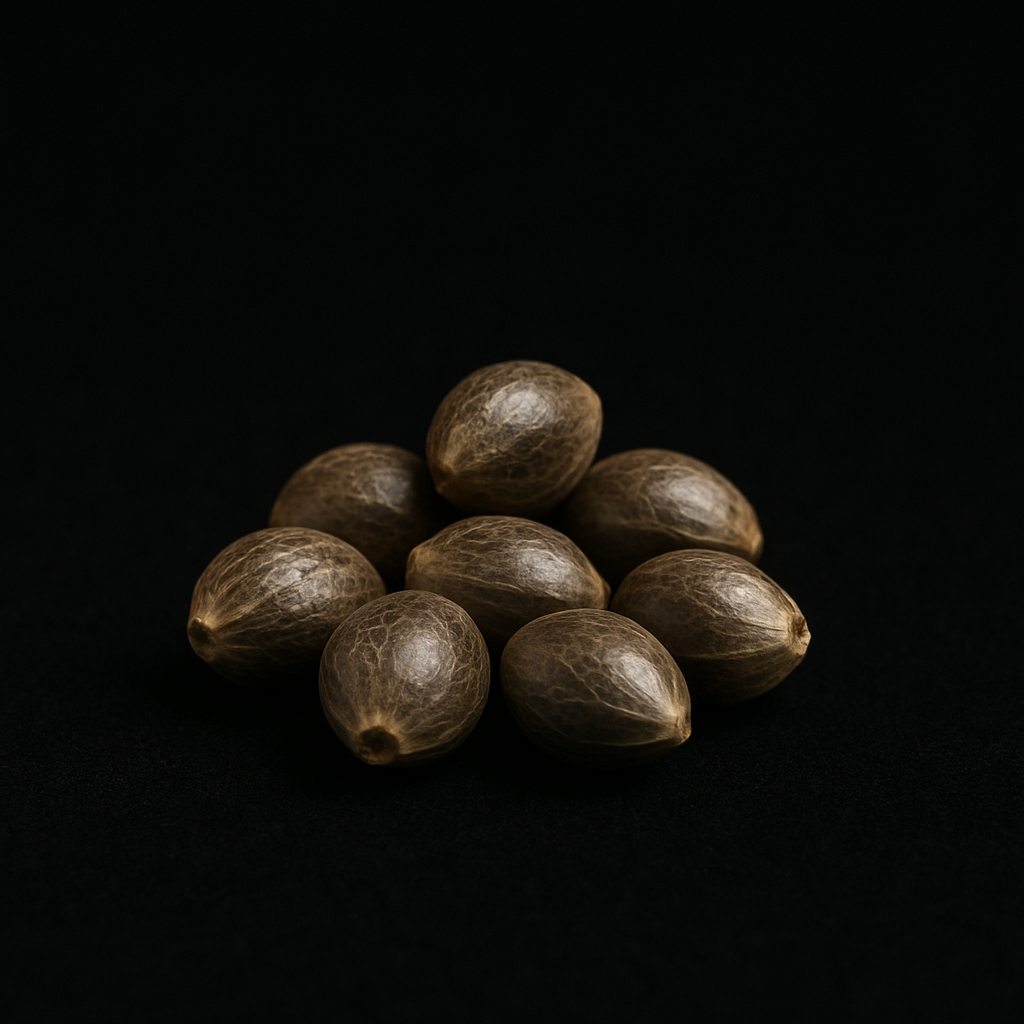
Yes. Sigma Seeds stocks Blackberry Moonrocks feminised seeds Australia-wide with tracked shipping from within the country.
15 reviews for Blackberry Moonrocks Cannabis Seeds
Jacob w
Rated 5 out of 5
September 28, 2026
All shot up like crazy, every happy
Gary T
Rated 5 out of 5
September 25, 2026
Blackberry moon rocks
I purchased blackberry moonwalks and planted 5 seeds which all have popped and are very strong and healthy. Sigma are a very easy company to deal with...More
I purchased blackberry moonwalks and planted 5 seeds which all have popped and are very strong and healthy. Sigma are a very easy company to deal with and I will send photos when my plants grow a bit bigger , thank you.
+1
Simo
Rated 5 out of 5
September 9, 2026
Blackberry moonrocks
Just a quick check in.
Early days atm.
Put 3 in the paper towel method, all three popped (no peroxide, never do, works every time.).
Not sure on ho...More
Just a quick check in.
Early days atm.
Put 3 in the paper towel method, all three popped (no peroxide, never do, works every time.).
Not sure on how old, maybe 4 weeks (dont keep track until flowering)
Been topped once.
On the right in the pics
Casey W
Rated 5 out of 5
September 4, 2026
Awesome seeds
Absolutely awesome seeds, popped in 2 days, just about to buy another pack
Daniel
Rated 5 out of 5
September 1, 2026
All seeds germinated and tracking along well.
Grant
Rated 5 out of 5
August 27, 2026
Blackberry moonrocks
I’m in week 6 they are all going well great to grow
Don D
Rated 5 out of 5
August 17, 2026
Happy customer
Excellent service prompt delivery and great variety
Matt
Rated 5 out of 5
August 14, 2026
Blackberry Moonrocks
Great germination, great flavour, all round great. Thanks
FP
Rated 5 out of 5
August 13, 2026
BlackBerry Moonrocks
Huge hit rate and amazing yield, love this strain
fred
Rated 4 out of 5
August 12, 2026
blackberry moonrocks
both seeds 3 to 4 inchs 100 percent germination in good cond had to remove seed shell from both but happy with out come
Brett M
Rated 5 out of 5
August 7, 2026
Back for more goodies
Been looking for this one for a while 😀. Fast delivery very good service
Baz
Rated 5 out of 5
July 27, 2026
Absolutely amazing Yield and quality
LJ
Rated 5 out of 5
July 26, 2026
Reliable. High Quality
Received my seeds promptly and all safe and sound. Looking forward to germinating on my next run. Not sure if I go see of green with all 5 at once or ...More
Received my seeds promptly and all safe and sound. Looking forward to germinating on my next run. Not sure if I go see of green with all 5 at once or just grow one monster?? Exciting either way!
Zachary
Rated 5 out of 5
July 25, 2026
Amazing just amazing variety
Bryan C
Rated 5 out of 5
July 23, 2026
Blackberry Moonrocks
Seeds arrived great packaging and very quick,all sprouted and healthy thank you

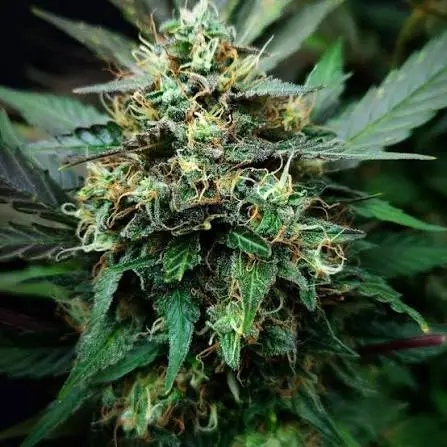


Early days atm.
Put 3 in the paper towel method, all three popped (no peroxide, never do, works every time.).
Not sure on how old, maybe 4 weeks (dont keep track until flowering)
Been topped once.
On the right in the pics