GMO seeds Australia — Garlic, Mushroom, Onion. The most distinctively savory terpene profile in the modern exotic catalogue, built on a Chemdog D × Girl Scout Cookies Forum Cut cross that emerged from underground California breeding culture in the early 2010s. Not genetically modified. Not named for the acronym you're thinking of. Named for what it smells like — garlic, mushroom, and onion — because nothing else in the catalogue does, and no other name would be accurate. Extreme resin production, 22-30% THC, and benchmark solventless extraction performance. If you're running this pack for the first time, see our phenohunting guide before you start.
GMO's origin is a forum story — not a marketing story. It didn't emerge from a licensed seed company with a PR strategy. It emerged from ICMag and THC Farmer in the early 2010s, from garage breeders sharing genetics and documenting crosses with the obsessive precision of self-taught scientists. The community consensus that validated the strain's history came down to a single line repeated across dozens of posts: "Mamiko made the original cross. Skunkmasterflex found the GMO pheno." Our complete GMO strain guide traces the full lineage, cup history, and phenotype breakdown.
GMO's terpene profile is caryophyllene-dominant — confirmed across all credible lab data. Caryophyllene provides the peppery, spicy backbone: the cracked-black-pepper note on the inhale that combines with the diesel from the Chemdog side to create the savory-gas opening. Myrcene follows with earthy-herbal depth, humulene adds a dry savory roundness, and a touch of limonene keeps the Cookies sweetness audible beneath the Chem aggression. But the terpene list doesn't fully explain what GMO smells like — and the reason why is the most interesting thing about this strain.
GMO seeds throw variation across the Chemdog D and GSC Forum Cut parent directions. Chemdog-dominant phenotypes lean harder into raw diesel-and-gas — more aggressive on the nose, taller structure, the most extractable resin. GSC-dominant phenotypes push dense resin structure and cookie-dough sweetness, with a softer nose and better bud formation. The best phenotypes — full garlic-mushroom-onion signature with the sweet GSC backend audible beneath it — sit between the two parents rather than pulling hard toward either.
Mamiko Seeds released their Chem Cookies cross — Chemdog D × GSC Forum Cut — in the early 2010s. At the same time, Divine Genetics was working a separate but similarly named Chem Cookies line using Chemdog #4 × GSC, creating the name confusion that followed the strain through its early years. The genetics are related but distinct — different Chemdog parents, different phenotype expressions. It's worth knowing the distinction because it's why two strains with similar names circulate in the market and why not all GMO in the wild is the same cross.
Skunkmasterflex of Skunk House Genetics ran the Mamiko Chem Cookies seeds and found the phenotype that became GMO — the specific expression with the garlic-mushroom-onion nose that no other phenotype in the population matched. That cut spread through clone networks with the speed reserved for genetics that are genuinely unlike anything else on the market. By 2017, GMO had placed 1st for Best Indica at the Midwest Cannabis Cup and appeared in the Top 10 hybrid concentrates at the SoCal Cannabis Cup. By 2018-2019, clone-only cuts had spread through California's legal market. By 2020-2021, it had become one of the most extracted cultivars in solventless circles, with rosin yields reported at 20-30% — numbers that drove demand from hash makers as much as flower consumers.
Chemdog D — Chemdog's D phenotype — is one of the most influential genetics in American cannabis history. The Chemdog origin story is its own rabbit hole: seed discovered in a parking lot at a Grateful Dead concert in Colorado in 1991, eventually producing Chemdawg, Chem's Sister, Chemdog B, and Chemdog D as distinct phenotypes. Chemdog D is known for acrid diesel-rubber aroma, high THC, and aggressive potency — the fuel-and-chemical backbone that runs through every Chemdog derivative. In GMO, Chemdog D is the source of the savory pungency, the raw diesel note beneath the garlic, and the head-first potency that defines the effect profile.
The GSC Forum Cut — the specific Girl Scout Cookies phenotype originally circulated by the Cookies family — contributes the dense resin glands, calyx stacking, and a sweet cookie-dough sweetness that softens the Chemdog aggression and holds the profile together. Without the GSC structure, GMO would be a raw Chem experience. The Forum Cut is what gives GMO its bag appeal, its resin density, and the dessert backend that saves the exhale from being purely chemical.
Terpene Profile — The Sulfur Story
The standard terpene list doesn't fully explain what GMO smells like, and understanding why is important. The garlic-onion-mushroom nose is driven in significant part by volatile sulfur compounds (VSCs) — a class of molecules present at parts-per-billion levels in some cannabis genetics that produce profound sensory effects at concentrations no conventional terpene analysis captures. Recent analytical cannabis research has identified prenylated sulfur molecules in especially skunky and savory cultivars, and GMO is the clearest example in the modern catalogue. These VSCs are not terpenes, they don't appear on standard lab reports, and they can't be smelled separately from the terpene matrix they exist within — but they are the reason GMO's garlic note is as loud and recognisable as it is, and why phenotypes that lack the VSC expression smell like a good strain rather than like GMO.
The practical implication: a lab report showing high caryophyllene and myrcene does not guarantee the GMO garlic nose. The sulfur compounds that drive the signature are the variable — and they're what phenotype hunting in this pack is actually about.
Humulene appears at meaningful levels in GMO (0.1-0.4%), adding a dry, herbal quality distinct from the sweet-earthy myrcene base, while the limonene counterbalance prevents total savory saturation and keeps the Cookies sweetness audible beneath the Chem aggression.
Phenotype Variation — The Detail
Chemdog-dominant phenos carry the potency ceiling firmly and tend to produce the most extractable resin, but the profile is less refined and less complex than the best GMO expression — the savory notes read as chemical-rubber-garlic rather than garlic-mushroom-umami. Bud structure across the pack is consistently dense and heavy, with tight calyx stacking and significant trichome coverage throughout.
Purple expression develops in cool temperatures in the final weeks of flower in some phenotypes — a characteristic that, combined with the white resin coverage, produces some of the most visually striking bag appeal in the Sigma catalogue. The aroma intensity of GMO at any stage of the grow is significant — this is not a genetics you run without planning for odour control.
Sigma Secrets
The cure changes GMO more than most genetics in this catalogue. Early jars — within the first two to three weeks — lean sharp and chemical, with the VSC-driven sulfur notes dominant and the garlic reading more aggressive than complex. By week six to eight of cure, the edges mellow: roasted garlic, mushroom umami, and a warm nutty-dough quality emerge from beneath the diesel and the profile becomes the layered, kitchen-pantry complexity that defines GMO at its best. Growers who evaluate GMO at two weeks and find it harsh are not evaluating GMO — they're evaluating an uncured Chemdog cross. Give it time. The genetics reward patience in a way that most modern exotics don't.
What to Hunt For
The keeper in this pack has the full garlic-mushroom-onion signature present after a proper cure — not just garlic, not just diesel, but the umami complexity that makes GMO recognisable in a blind smell test among experienced collectors. Dense, heavy buds with extreme trichome coverage — the resin load on quality GMO phenotypes is among the highest in the modern catalogue. The caryophyllene pepper note should be present and prominent on the inhale. The GSC cookie sweetness should be audible on the exhale. The profile should intensify through cure and reach its best expression at six to eight weeks post-harvest. Any phenotype where the savory signature is absent and the nose reads as generic diesel-cookie is not the keeper. The garlic note is not subtle when it's present. You will know it immediately.
Growing GMO Seeds in Australia
GMO is rated intermediate difficulty — vigorous and productive for experienced growers, more demanding for those new to Chemdog-heritage genetics. The plant grows with strong lateral branching and responds well to topping and SCROG training to build a flat, even canopy. The Chemdog D side introduces a significant stretch in early flower — expect 1.5-2x height increase in the first two to three weeks after flip. Plan your canopy before you flip, not after the stretch begins.
Flowering runs 9-10 weeks — the Chemdog D influence prefers a longer finish than most Cookies-family genetics. Don't pull early. The terpene complexity and VSC expression that defines the best GMO phenotypes develops in the final weeks, and harvesting at week eight consistently produces a flatter, less distinctive profile than week nine or ten. Yield is high — the GSC structure delivers dense, heavy bud formation across the whole plant when the canopy is managed properly.
Nutrient demands are significant — calcium, magnesium, and silica support the dense bud structure through mid-flower. The Chemdog side is sensitive to pH fluctuation, which shows as tip burn and general leaf stress faster than most Cookies-family genetics. Maintain consistent pH 6.0-6.5 in soil or 5.8-6.2 in hydro throughout the grow. Odour management is non-negotiable from mid-vegetative growth — GMO's VSC expression begins earlier in the lifecycle than most cannabis genetics and a plant in week three of flower will fill a room without adequate carbon filtration.
Outdoors in Australian conditions, GMO suits temperate coastal climates. Harvest targets mid-October. The vigorous lateral structure rewards outdoor cultivation with space. Site selection for odour discretion is important — GMO is not a subtle outdoor grow at any stage.
Sigma Secrets
GMO became a solventless benchmark for a specific reason: the resin head architecture from the GSC Forum Cut side — large, bulbous heads on thick stalks — combines with the Chemdog D potency to produce hash material that extracts cleanly and concentrates the savory-umami terpene profile into a product that is immediately recognisable. Rosin yields of 20-30% from quality GMO runs are documented across multiple solventless communities, which is exceptionally high for the format. For ice water extraction, run cold and short — the VSC expression is heat-sensitive and warmer wash temperatures will flatten the garlic note in the final product. For rosin, press at 80-85°C — the caryophyllene and myrcene terpenes are robust, but the sulfur compounds that drive the signature are volatile. Lower press temperatures preserve more of the savory character. GMO rosin is immediately recognisable in the concentrate market for the same reason GMO flower is in the flower market. The nose doesn't lie.
Frequently Asked Questions — GMO Seeds Australia
What is GMO?
GMO — Garlic, Mushroom, Onion — is a cannabis strain bred from Chemdog D × Girl Scout Cookies Forum Cut. The original cross was made by Mamiko Seeds; the standout GMO phenotype was found by Skunkmasterflex of Skunk House Genetics. It is also known as Garlic Cookies and GMO Cookies. The name has nothing to do with genetically modified organisms — it describes the aroma: garlic, mushroom, and onion, driven by a combination of caryophyllene, myrcene, humulene, and volatile sulfur compounds that produce a savory profile unlike anything else in the modern exotic catalogue.
What are the genetics of GMO?
GMO is Chemdog D × GSC Forum Cut. Chemdog D is the D phenotype of Chemdawg — one of the most influential genetics in American cannabis — known for acrid diesel-rubber aroma and high potency. GSC Forum Cut is the specific Girl Scout Cookies clone from the Cookies family, selected for dense resin production, calyx stacking, and cookie-dough sweetness. Note: Divine Genetics produced a separate Chem Cookies line using Chemdog #4 × GSC that is a different cross despite the similar name and lineage.
What does GMO smell and taste like?
Garlic, mushroom, and onion over diesel-rubber and chem fuel, with a sweet cookie-dough backend on the exhale. The savory signature is driven by both terpenes — caryophyllene, myrcene, humulene — and volatile sulfur compounds (VSCs) that produce the garlic-onion note at parts-per-billion concentrations. The aroma intensifies on grind and through extended cure, with the best expression appearing at six to eight weeks post-harvest when roasted garlic, mushroom umami, and warm dough emerge beneath the diesel.
How strong is GMO?
22-30% THC across verified batches, with most well-grown indoor examples landing in the mid-to-high 20s. The effect is indica-dominant — euphoric head onset followed by deep, heavy physical relaxation. The Chemdog D side delivers a forceful, potent head impact that distinguishes GMO from softer Cookies-family genetics. Not recommended for new consumers.
How long does GMO take to flower?
9-10 weeks — longer than most Cookies-family genetics, reflecting the Chemdog D influence. Don't harvest early. The VSC expression and terpene complexity that defines the best GMO phenotypes develops in the final weeks. Week ten is frequently worth the extra time.
Is GMO suitable for outdoor growing in Australia?
Yes. GMO suits temperate coastal Australian climates. Harvest targets mid-October. The vigorous lateral structure rewards outdoor cultivation with space. Odour management for site discretion is important — GMO's VSC expression makes it a notably loud outdoor grow from mid-flower onward.
Is GMO good for solventless extraction?
GMO is one of the benchmark solventless extraction genetics in the current catalogue. Rosin yields of 20-30% from quality GMO runs are documented across multiple solventless communities. The savory-umami terpene profile concentrates into hash that is immediately recognisable. Run ice water cold and short to preserve the VSC expression. Press rosin at 80-85°C to retain the sulfur-driven garlic character.
Are GMO seeds available in Australia?
Yes. Sigma Seeds stocks GMO feminised seeds Australia-wide with tracked shipping from within the country.

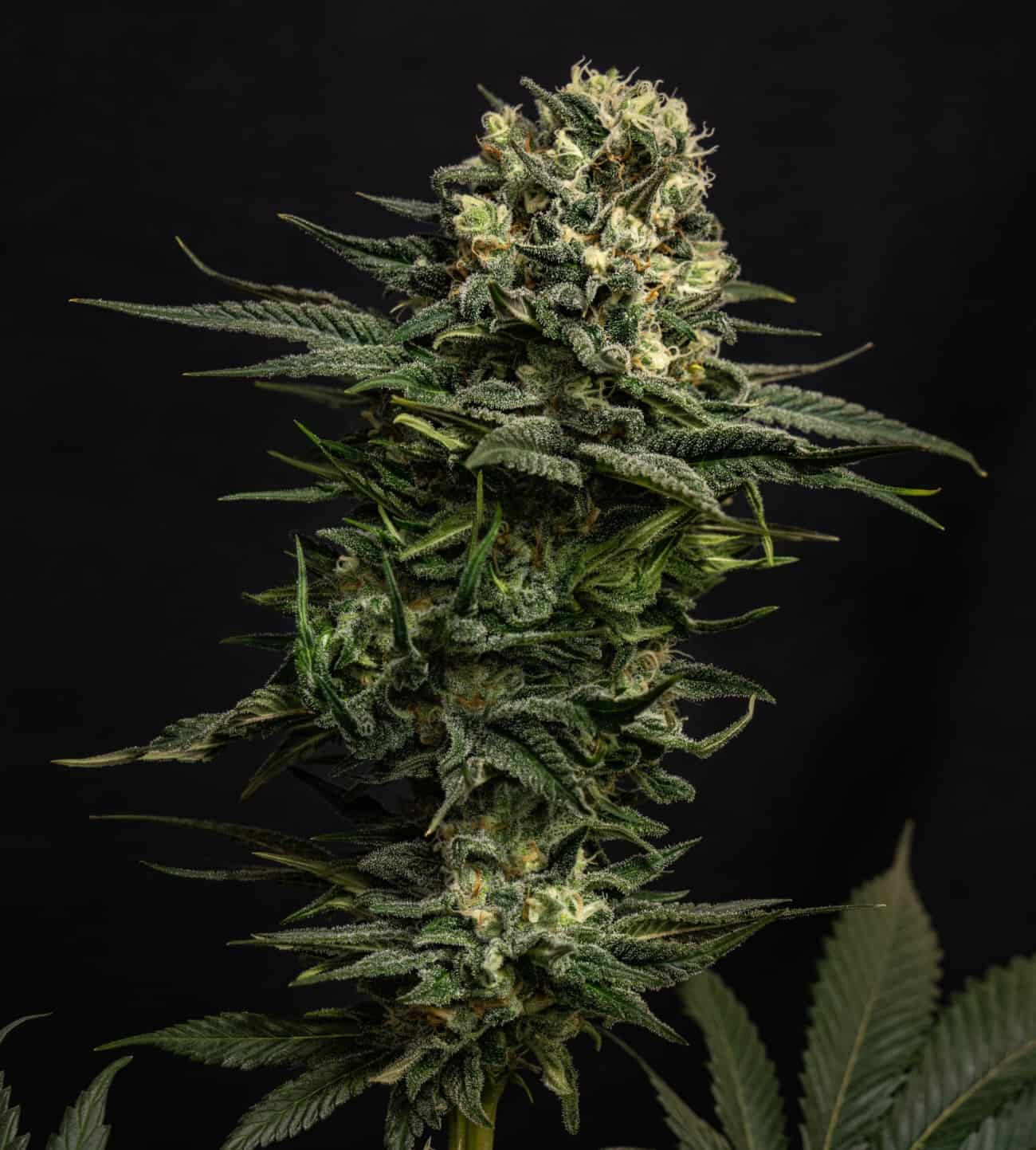
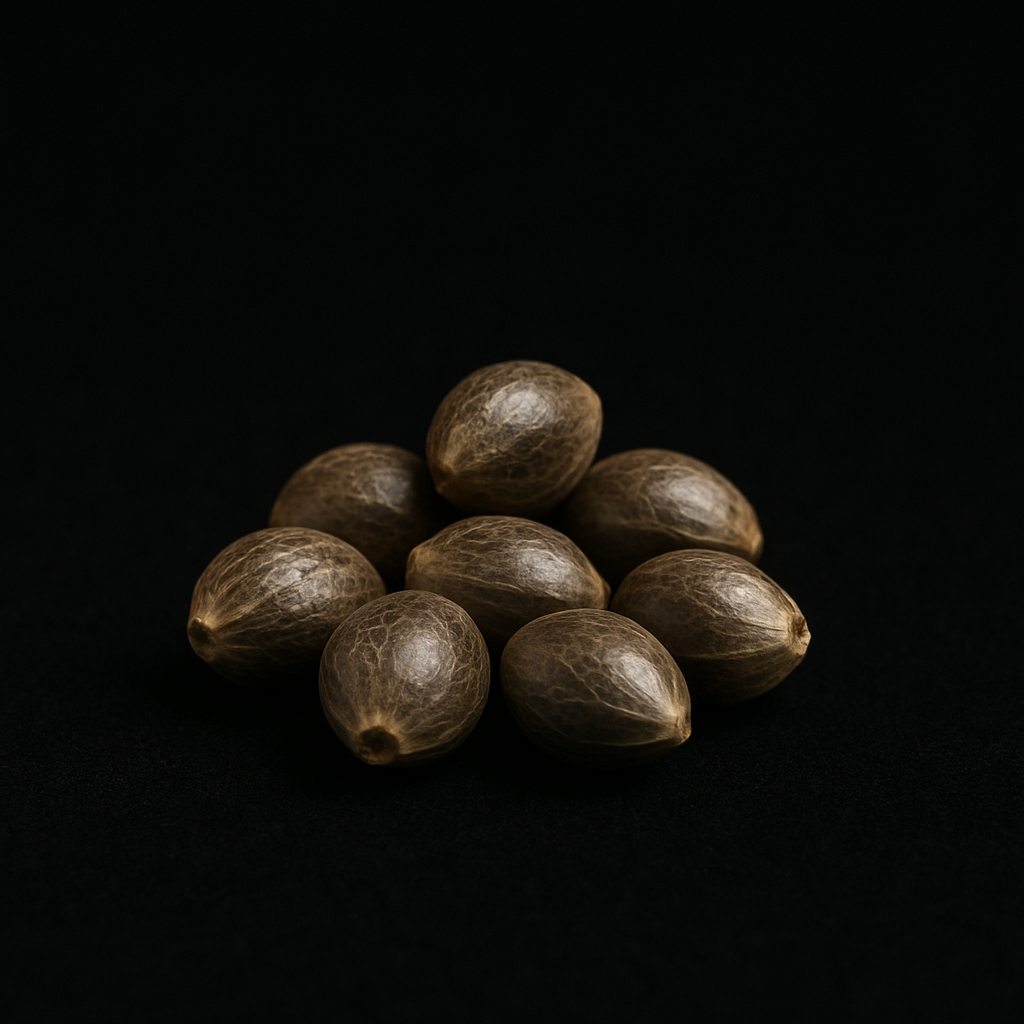
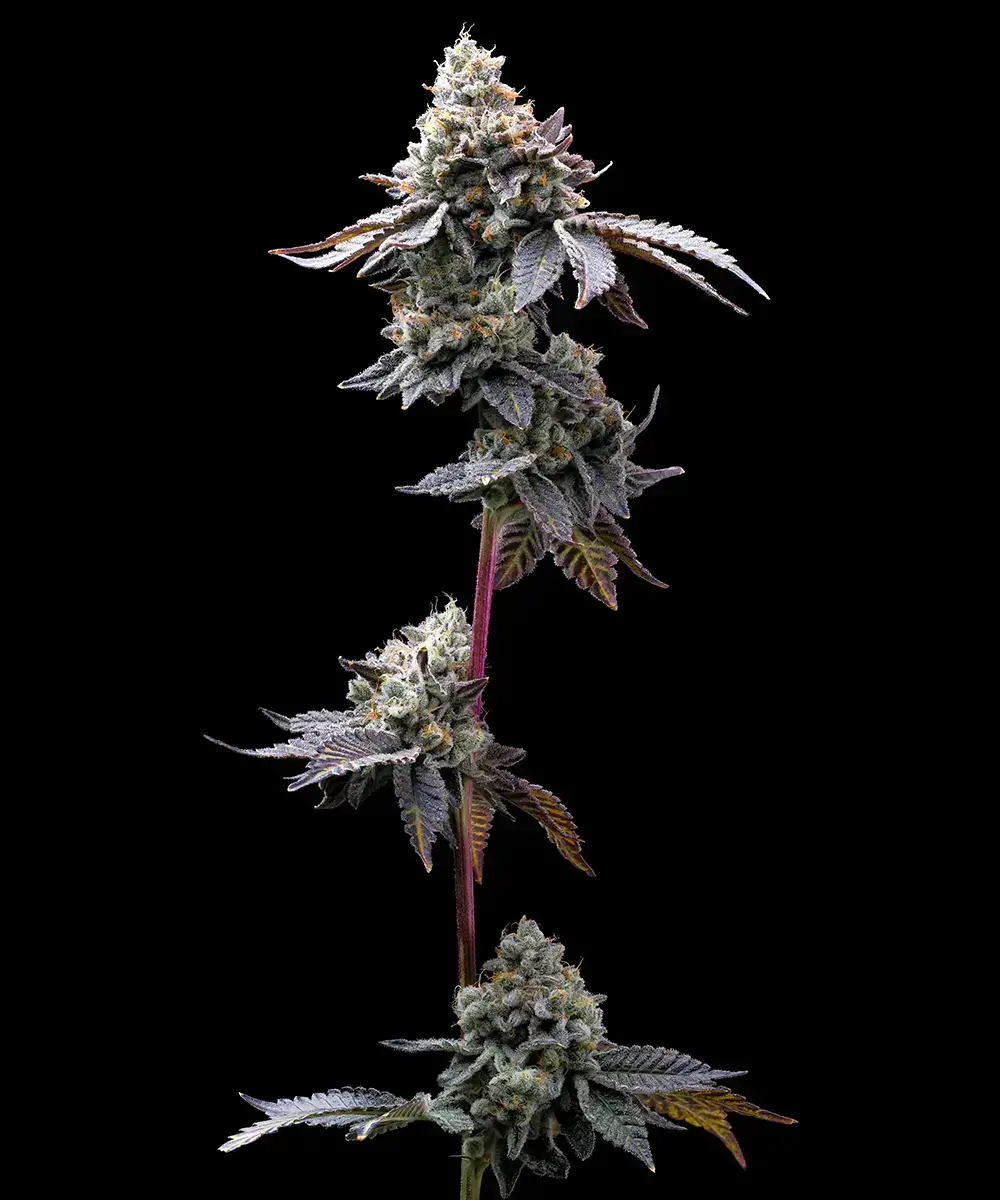
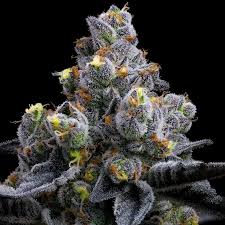
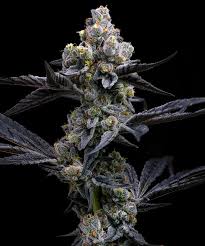
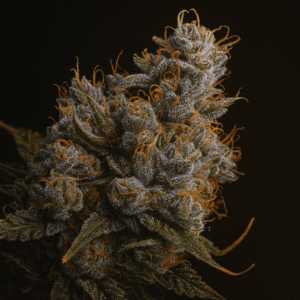

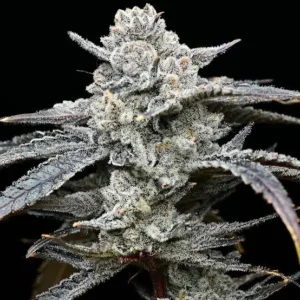
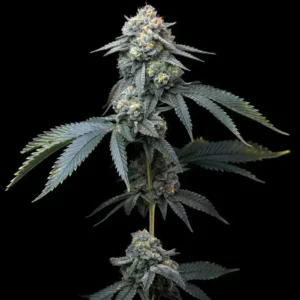
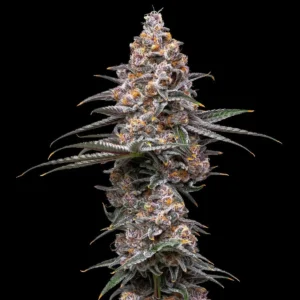

Garlic, Mushroom, Onion sounds like a great pizza topping.But once these seeds have turned into the great nugs this strain is renowned for I'll be feasting on these instead.
👍👍👍