
A note on genetic provenance: This guide discusses the documented history and original breeder attribution of the named cultivar. Sigma Seeds supplies line-worked representations sourced through established European and North American breeding partners, not original-breeder packs unless explicitly stated. Stabilisation improves consistency but does not eliminate natural phenotype variation.
MAC 1 strain guide: Miracle Alien Cookies #1, Capulator’s clone-only cut, and the most storied origin story in modern cannabis genetics. The broader Sigma guide explores Capulator’s breeding philosophy and his place among the most influential modern breeders. The name means Miracle Alien Cookies. The miracle part is literal. The genetics that became MAC 1 passed through a washing machine, were rescued from death by a paper towel, germinated against the odds, and produced a single surviving plant from fifteen seeds. That plant, Miracle 15, became the father of one of the most influential strains in the modern catalogue. The story is not mythology. It came directly from Capulator in writing, and every verifiable detail checks out.
This guide covers the MAC 1 strain in depth: Capulator’s history and breeding philosophy, the Miracle 15 origin in full, what Alien Cookies F2 and Miracle 15 each contribute, the terpene chemistry including bisabolol (the terpene most collectors overlook and the one most responsible for MAC 1’s distinctiveness), phenotype variation, keeper criteria, and what running this pack in Australia actually requires. MAC 1 seeds are available in the Sigma catalogue. If you’re new to reading cannabis genetics and terpene profiles, start with the exotic strains guide and the terpene guide first.
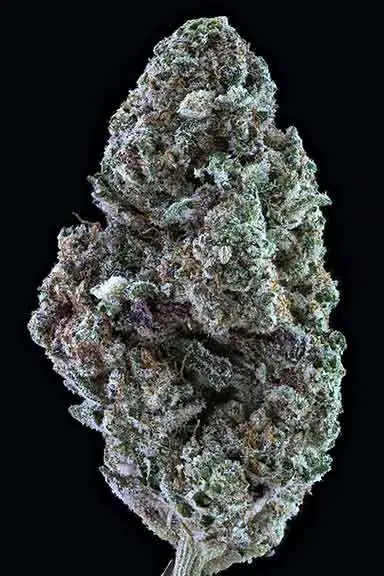
In this guide
- Capulator: the reclusive breeder who changed the catalogue
- The Miracle 15 story: washing machine, paper towel, one survivor
- Lineage: Alien Cookies F2 × Miracle 15 explained
- Clone-only: what it means and what you’re actually running
- Terpene profile: limonene, caryophyllene, pinene, bisabolol
- Phenotype variation: what to expect across the pack
- What to hunt for: the keeper criteria
- Growing MAC 1: what the lineage demands
- Extraction: the benchmark solventless genetics
- MAC 1’s downstream impact: Cap Junky and beyond
MAC 1: At a Glance
| Breeder | Capulator |
| Cross | Alien Cookies F2 #7 × Miracle 15 (Starfighter × Colombian) |
| Also known as | The MAC · Miracle Alien Cookies · Cap’s Cut · Mother of All Cannabis |
| Indica / Sativa | 50% Indica · 50% Sativa |
| THC | 20–28% · CBD <1% |
| Total terpenes | 3.2–3.6% (documented across verified lab data) |
| Terpenes | Limonene · Caryophyllene · Myrcene · Pinene · Linalool · Bisabolol |
| Flavour | Citrus · Floral incense · Creamy vanilla · Fuel · Pepper · Sour |
| Flowering time | 8–9 weeks |
| Yield | Medium · 350–450g/m² indoors |
| Height | Short to medium · tight internodal spacing in veg |
| Difficulty | Advanced |
| Seeds | MAC 1 feminised photoperiod — Sigma Seeds Australia |
Capulator: The Reclusive Breeder Who Changed the Catalogue
Old school, private, influential
Capulator is a California-based breeder who has been active since the mid-1990s. He is not a brand. He does not have a seed bank website with a catalogue and a newsletter. He operated on the cultivation web forums where modern cannabis breeding was shaped: the same underground digital spaces where the Cookies family was developed, where Chemdog’s genetics were traded, and where the seeds that became the modern exotic catalogue first circulated. He is private by nature and accessible to almost no one. It took Cannabis Now a full month to track him down for an interview, and he declined to speak by phone, communicating only by email. His influence on the genetics that define the current collector market is disproportionate to his public profile.
The MAC story gives a rare window into how Capulator works. The cross was made not as a commercial project but as a personal breeding exercise. Capulator was looking for a more vigorous, better-yielding version of the Alien Cookies F2 #7 mother he had been running. He wasn’t trying to create the most influential genetics of the 2010s. He was trying to solve a practical growing problem. That context matters for understanding why MAC 1 is what it is: a strain bred for quality-first reasons by someone who knew precisely what he was working with and wasn’t trying to market the result.
The ethics of distribution
When MAC 1 proved exceptional, Capulator made a deliberate decision about how to handle the genetics. He distributed it only to growers who had demonstrated genuine commitment to the craft, not to the highest bidder, not to the most connected person in the market, but to people he trusted to run the genetics properly and represent them accurately. Chemdog was one of those people. The remaining seeds from the original MAC batch were auctioned on Instagram, the first known IG cannabis seed auction, raising $15,000 for a friend in need and breaking the record for a seed auction at the time. The previous record was held by Starfighter, which was coincidentally the grandfather of MAC 1.
That selective approach shaped how MAC 1 was perceived from the beginning. Because only trusted growers with proven track records could access the genetics, every early MAC 1 run that reached the market represented the strain at a high standard. The genetics built a reputation on actual performance rather than on marketing or name recognition — which is why MAC 1’s standing in the collector market held through years of hype cycles that burned through dozens of other celebrated strains.
The Miracle 15 Story: Washing Machine, Paper Towel, One Survivor
The cross that was almost never made
The MAC 1 story begins not with a deliberate breeding project but with a forgotten bag of seeds. About eight years before MAC 1 existed, Capulator had crossed a Starfighter male, bred by Alien Genetics, with a Colombian landrace phenotype he had sourced personally while travelling in South America. This was not a Colombian Gold selection from a seed bank. Capulator collected it himself. He made the cross, put the seeds aside, and forgot about them.
Years later, he found the seeds in his pocket and brought them to his grow space. The following day, his wife found them in the washing machine. She called him, he told her to put them in a wet paper towel and say a prayer. She did. The seeds germinated. Roughly fifty seedlings emerged, and all appeared viable. Within two weeks, at approximately two inches tall, all but one died suddenly. Number fifteen survived. Capulator named it Miracle 15 for the most straightforward reason available: it was a miracle that it was alive at all.
What Miracle 15 contributed
Capulator worked with Miracle 15 for over a year before making the decision to use it as a father. He was running the Alien Cookies F2 #7 mother, a plant he described as “probably the most incredible flower many people will smoke in their lifetime,” and its primary limitation was structural. The Alien Cookies F2 grew slowly, didn’t stretch, and produced terrible yields. The Miracle 15 male was showing exactly what Capulator needed: better growth rates, more vigour, and a Colombian landrace-derived sativa stretch that the Alien Cookies mother lacked. He knew what traits were coming from Miracle 15 before he made the cross. The result, MAC, surpassed his expectations, with MAC 1 as the standout phenotype from the first ten seeds popped on January 1, 2016.
Capulator on Alien Cookies F2 #7
“Probably the most incredible flower many people will smoke in their lifetime — it tastes so good, packs an amazing high, and the smoke on the exhale smells like nag champa. It lingers in a room and just smells so damn good. The problem is, it is incredibly slow growing and doesn’t stretch at all, so yields are terrible.”
— Capulator, direct quote
The nag champa reference is the most important detail in this quote for anyone trying to understand MAC 1’s terpene identity. Nag champa is a blend of sandalwood, vanilla, benzoin, and floral notes: the incense used in meditation and spiritual contexts across South Asia. The specific terpene responsible for this quality in Alien Cookies F2 #7, and by inheritance in MAC 1, is bisabolol, a sesquiterpene alcohol found in chamomile, candeia tree bark, and certain cannabis phenotypes. The terpene profile section covers this in detail.
Lineage: Alien Cookies F2 × Miracle 15 Explained
Alien Cookies F2 #7: the mother
Alien Cookies was bred by JAWS Genetics as a cross of Alien Dawg and Girl Scout Cookies. Alien Dawg itself is a Chemdawg × Afghani cross, bringing the chem/fuel terpene backbone and the dense indica structure that defines Chemdawg-family genetics. Girl Scout Cookies contributes the Cookies-family sweetness, the terpene complexity, and the euphoric effect profile that made it the most influential breeding parent of the early 2010s. Alien Cookies combines both lineages in a plant that sits outside the standard Cookies-family profile: deeper, more complex, with a fuel and incense quality that goes beyond the sweet dessert direction most Cookies descendants follow. Lemon Cherry Gelato is a useful counterpoint: a double-Cookies expression built around lemon, cherry and cream rather than incense and fuel.
For the full Cookies family history, the Cookies cannabis lineage guide traces GSC from its 2007 origin to the modern catalogue.
The F2 designation means JAWS selected from the second-generation offspring of the original Alien Cookies cross, identifying and stabilising specific phenotypic traits. The #7 is the specific selection Capulator used as his mother, chosen for the nag champa exhale quality he describes, its exceptional effect profile, and its resin density, in full knowledge of its structural limitations. The Alien Cookies F2 #7 is not a commercially available cut. It was a personal selection from a breeder-to-breeder genetics relationship.
Miracle 15: the father
Starfighter, bred by Alien Genetics, is an Alien Tahoe OG × Lemon Alien Dawg cross with an indica-heavy structure and OG-adjacent density. The citrus-forward terpene character comes from the Lemon Alien Dawg side. The Colombian landrace that Capulator crossed with Starfighter was a field-collected South American sativa, not a stabilised landrace selection from a seed bank but a wild collection from the country of origin. Colombian landraces are known for their sativa vigour, their tall structure, and a bright tropical-citrus terpene expression that no amount of selection in Dutch or Californian seed bank programmes has ever fully replicated.
The Starfighter × Colombian cross in Miracle 15 contributed three things to MAC 1: the vigour and stretch that the Alien Cookies mother lacked, the Colombian’s sativa brightness in the top-note terpene expression, and the structural genetics that allowed MAC 1 to flower with more density and better yields than its Alien Cookies F2 mother could produce alone.
MAC 1 Lineage: Traced Back
| Strain | Cross | What it contributes to MAC 1 |
|---|---|---|
| Alien Cookies F2 #7 | Alien Dawg × Girl Scout Cookies (F2 selection by JAWS) | Resin density, Bisabolol-Linalool incense-floral terpene character (the nag champa note), dense bud structure, exceptional effect profile. |
| Miracle 15 | Starfighter × Colombian landrace (field-collected) | Sativa vigour, Colombian citrus brightness in the top note, structural genetics enabling better yield and stretch than the Alien Cookies mother alone. |
| Alien Dawg | Chemdawg × Afghani | Chem-fuel backbone and Afghani indica density. The OG-adjacent structure that anchors MAC 1’s gas note underneath the citrus and incense. |
| Starfighter | Alien Tahoe OG × Lemon Alien Dawg | Indica structural density, OG Kush heritage, citrus-lemon terpene direction that amplifies the limonene expression. |
| Colombian landrace | Field-collected, sourced by Capulator personally | Sativa vigour and stretch, bright tropical-citrus terpene top note, growth rate genetics that corrected the Alien Cookies mother’s structural limitations. |
Clone-Only: What It Means and What You’re Actually Running
Why Capulator never released seeds
MAC 1 was never released as seed by Capulator. This was deliberate. Cap’s concern was the fate of GSC and GG4: genetics that were distributed broadly and rapidly, leading to C-grade versions circulating widely in the market and diluting what the original breeders had created. He wanted MAC to have a different trajectory, with controlled distribution to trusted growers, quality maintained through selective access, and the strain’s reputation built on genuine performance rather than name recognition alone.
The consequence is that every seed version of MAC 1 in the market, from any source, is a third-party interpretation of the Alien Cookies F2 × Miracle 15 genetics, not a reproduction of Capulator’s specific cut. The MAC 1 in the Sigma catalogue is a feminised seed interpretation of the same parental cross. Sigma is clear about this on the product page and is clear about it here. What it means in practice is covered in detail in the phenohunting guide: the seed version is a population of genetic potential from which a specific expression needs to be found.
What clone-only means for the hunt
Capulator found his MAC 1 cut in a run of ten seeds. The original MAC 1 — the cut that changed the catalogue — was one phenotype from a ten-seed run. That’s the context for running this pack. You are not running a reproduction of Cap’s Cut. You are running the same genetic raw material that produced it. The variation across the pack is not a limitation of the seed format. It is the mechanism by which the original was found. Running this pack with that understanding produces a different evaluation framework than expecting uniform MAC 1 expression from every plant.
On MAC 1 auto versions
Capulator has never released a MAC 1 autoflower and has publicly distanced himself from MAC 1 auto versions in circulation. Any MAC 1 auto in the market is an unauthorised third-party cross using MAC genetics without Capulator’s involvement. Sigma does not stock a MAC 1 auto for this reason. The feminised photoperiod version in the Sigma catalogue is the format appropriate to these genetics.
Terpene Profile: Limonene, Caryophyllene, Pinene, Bisabolol
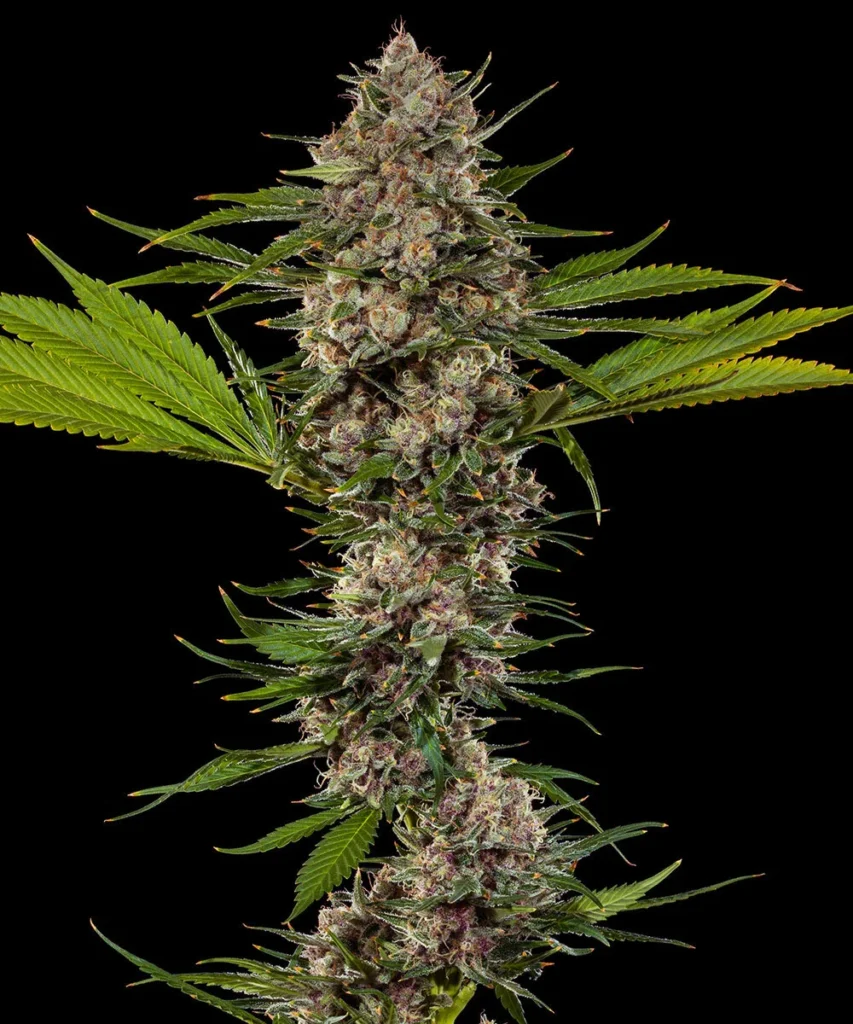
What MAC 1 actually smells like
Open a well-cured jar of MAC 1 and the first thing you notice isn’t citrus. It’s something you can’t immediately name — a cool, medicinal-floral quality that sits underneath the lemon and doesn’t smell like anything else in your collection. It registers before you’ve consciously identified it. Slightly herbal, slightly incense-like, clean in a way that gassy or sweet strains aren’t. That’s the bisabolol. On the break, the citrus sharpens and the pine note arrives — fresh and cool, not perfume-like. The exhale carries the incense character clearly: a sandalwood-floral note that lingers in the room after the smoke has gone. Growers who have run both MAC 1 and Cap Junky consistently report the same thing: MAC 1’s profile is harder to describe and harder to forget. The chemistry explains why.
Why MAC 1’s profile is unlike anything else in the catalogue
MAC 1’s terpene profile occupies a category of its own. Not cookie-dessert. Not fruit-and-gas. Not pure OG fuel. Citrus-incense-cream with a refined fuel note and a floral thread that runs through the exhale. Most people who smell MAC 1 for the first time describe it as “alien” — which is not an accident and is not marketing language. It’s the most accurate description available for a profile that has no direct comparator in the modern catalogue. The reason it’s distinctive has everything to do with bisabolol.
Limonene: the citrus lead
Limonene is the dominant terpene across all credible lab data for MAC 1. It drives the bright citrus top note: orange peel, lemon zest, a clean brightness that opens on jar. Unlike the limonene expression in Z-lineage genetics like RS11, which reads as tropical fruit and guava, MAC 1’s limonene sits closer to a sharp citrus-sour quality. It’s the same terpene in a different genetic context producing a different perceptual result. The Colombian landrace heritage through Miracle 15 is the likely contributor to this specific citrus direction: landraces from South America are known for their bright, sharp citrus terpene expressions that differ from the candy-sweet limonene character of domesticated US genetics.
Caryophyllene and pinene: the backbone
Caryophyllene provides the peppery-fuel backbone from the OG/Chemdawg heritage running through Alien Dawg. It anchors the profile underneath the citrus brightness and stops it reading as purely light or sativa-adjacent. Pinene is the distinctive third terpene that separates MAC 1 from comparable citrus-dominant genetics — the fresh pine and herbal quality that contributes to the mental clarity and focus that MAC 1’s effect profile is known for. The limonene-caryophyllene-pinene combination is documented consistently across MAC 1 analysis and is the terpene matrix responsible for the specific alert-euphoric effect onset that users describe as sharp, clear, and different from the heavier Cookies-family experience.
Bisabolol: the nag champa note
Bisabolol is the terpene most collectors overlook and the one most responsible for MAC 1’s distinctiveness. It is a sesquiterpene alcohol found naturally in chamomile, in candeia tree bark, and in selected cannabis phenotypes, relatively rare as a significant terpene in the modern exotic catalogue. Its aroma contribution is smooth, slightly medicinal, and floral in a way that is not quite lavender (that’s linalool) and not quite rose (that’s geraniol). It’s most often described as chamomile-adjacent, or in Capulator’s own framing, as the terpene responsible for the nag champa quality: the sandalwood-vanilla-floral incense note that lingers on the exhale and in a room after the jar is opened.
Bisabolol is more heat-stable than limonene — it survives extraction and pressing processes better than the lighter citrus terpenes — which is why the incense-floral quality carries through into MAC 1 solventless extracts in a way that distinguishes them from other citrus-dominant genetics. For the research underpinning terpene-cannabinoid interactions in profiles like this, Russo’s 2011 paper Taming THC: potential cannabis synergy and phytocannabinoid-terpenoid entourage effects in the British Journal of Pharmacology remains the primary reference.
Terpene Stack: MAC 1
| Terpene | Role in profile | Aroma contribution | Source parent |
|---|---|---|---|
| Limonene | Primary / citrus lead | Sharp citrus-sour, orange peel, lemon zest. First impression on jar open. Sharper and more citrus-sour than Z-lineage limonene. | Miracle 15 (Colombian landrace character) |
| Caryophyllene | Secondary / gas backbone | Pepper, fuel, spice. Anchors the profile under the citrus and incense. OG-adjacent without being fuel-dominant. | Alien Dawg / Chemdawg heritage |
| Myrcene | Foundation / earthy depth | Tropical earthy depth. Holds the profile together, contributes to trichome density and resin mass. | Girl Scout Cookies / Alien Dawg heritage |
| Pinene | Distinctive third note | Fresh pine, cool herbs. The note that separates MAC 1 from other citrus-dominant genetics. Contributes to mental clarity in the effect profile. | Starfighter / OG heritage |
| Linalool | Floral softener | Floral, lavender-adjacent. Smooths the caryophyllene edge and rounds the exhale. | Alien Cookies F2 heritage |
| Bisabolol | The nag champa note | Smooth, medicinal-floral, chamomile-adjacent. The terpene responsible for the incense note that makes MAC 1 immediately distinctive. Survives extraction well. | Alien Cookies F2 #7 (direct inheritance) |
Phenotype Variation: What to Expect Across the Pack
The two primary phenotype directions
MAC 1 seeds produce variation along two main axes: phenotypes that lean toward the Alien Cookies F2 #7 mother’s expression, and phenotypes that lean toward the Miracle 15 father’s Starfighter × Colombian character. Both directions are legitimate and both are worth understanding before running the pack.
Alien Cookies-leaning phenotypes are shorter, more compact, and slower in veg, reflecting the Alien Cookies F2 mother’s structural limitations that Capulator was trying to correct. The terpene profile in these phenotypes carries the bisabolol-linalool incense-floral note most clearly. The nag champa quality is most present in this direction. Resin density is typically the highest in the pack. These phenotypes take more environmental management but produce the most distinctive MAC 1 expression.
Miracle 15-leaning phenotypes grow taller with more sativa vigour and stretch, reflecting the Colombian landrace heritage. The citrus top note is more pronounced and sharper in these phenotypes, with the incense-floral quality present but less dominant. Structure is easier to manage. These phenotypes tend toward a more accessible, brighter profile: less “alien,” more classic citrus-gas. Yield is typically higher than the Alien Cookies-leaning direction.
The visual signature
MAC 1’s most recognisable characteristic at harvest is trichome density that reads as near-white under direct light, with the green of the underlying bud structure almost entirely obscured by resin coverage. This is the “silver frost” appearance that made MAC 1 recognisable in California dispensaries and hashmaker runs. Phenotypes with this trichome density also tend to carry the bisabolol expression strongly: the resin architecture and the terpene character are correlated. Purple expression develops in cool temperatures in the final two weeks in phenotypes with strong Alien Cookies F2 inheritance.
The gap between adequate and exceptional
MAC 1 is the strain in this catalogue where the gap between a well-grown plant and an average grow is widest. An adequate grow produces a good strain. An exceptional grow produces the near-white trichome coverage and full bisabolol-incense expression that defines MAC 1 at its best. The difference comes down entirely to environmental consistency through flower. pH precision, VPD management, and feeding discipline are the three variables that separate the two outcomes. This is not a genetics you run in a dialled environment for the first time. Run it after you have successfully maintained consistent conditions through a full flowering cycle with another pack.
What to Hunt For: The Keeper Criteria
Keeper criteria in priority order
Sigma Secrets: What to hunt for in a MAC 1 pack
The phenotype you’re looking for announces itself. You’ll know it on the first break at week six of cure — something in the profile that stops you and makes you go back for a second smell. That’s what you’re hunting for. The criteria below tell you what that thing is made of.
1. The bisabolol-incense note is present and clear at week 6 of cure. The nag champa quality — smooth, slightly medicinal-floral, chamomile-adjacent — should be present on the fresh break and clearly detectable on the exhale. This is the note that makes MAC 1 MAC 1. Any phenotype where this is absent and the profile reads as a generic citrus-fuel hybrid is not the keeper, regardless of other qualities. Evaluate at six weeks minimum: bisabolol develops and clarifies through cure.
2. Near-white trichome coverage. The silver-frost visual signature should be apparent at harvest — buds appearing white or silver under direct light from trichome density. This is the most reliable visual indicator that the genetics are expressing fully. Dense, fully-developed trichome heads visible under magnification. This is a supporting criterion that reinforces nose evaluation, not a replacement for it.
3. Citrus leads, incense follows, fuel anchors. The profile should operate in layers: limonene citrus-sour upfront, bisabolol-linalool incense-floral in the mid-note, caryophyllene fuel beneath. Any phenotype where the order inverts — fuel dominant, citrus absent, incense absent — is not expressing the genetic architecture that makes this cross distinctive.
4. Effect profile matches the terpene expression. The keeper arrives fast and clean — a sharp, focused, euphoric onset that isn’t heavy and doesn’t sit behind the eyes. You notice it within minutes and it stays interesting. The limonene-pinene combination that makes MAC 1’s mental clarity distinctive should be apparent from the first session. A phenotype with the right nose but a flat, couch-forward effect isn’t the keeper. MAC 1 at its best is alert and dimensional.
5. Profile deepens through extended cure. The bisabolol incense note specifically develops and clarifies through an extended cure. Evaluate at week six, confirm at week ten. The keeper is the phenotype whose incense-floral character becomes more defined and more complex over time, not less.
For the full phenohunting framework — running a pack systematically, evaluating at each cure stage, and preserving your keeper through cloning — see the Sigma phenohunting guide.
Growing MAC 1: What the Lineage Demands
What the Alien Cookies F2 heritage predicts
The Alien Cookies F2 mother’s structural limitations — slow growth, minimal stretch, poor yields — are partially corrected by the Miracle 15 father’s Colombian-Starfighter vigour, but not eliminated. MAC 1 grows shorter and tighter than most modern exotics. Internodal spacing is compact in veg. More veg time than comparable genetics is consistently recommended by experienced growers — the plant benefits from structural development before the flip, and rushing into flower on a compact, underdeveloped canopy limits what the bud sites can do through flower. Medium yield (350–450g/m² indoors) is the realistic expectation. This is the lowest in the Sigma catalogue, reflecting the mother’s known limitation rather than any deficiency in cultivation approach.
Environmental sensitivity
MAC 1 is more sensitive to environmental fluctuation than any other strain in this catalogue. pH swings, VPD inconsistency, and overfeeding trigger stress responses faster and more visibly than comparable genetics. The gap between a dialled environment and an inconsistent one is wider here than for Jealousy, Permanent Marker, or Future #1. Low humidity in late flower (40–50% RH through weeks six to nine) is critical — the dense trichome coverage that defines the genetics creates elevated moisture retention risk without adequate airflow and humidity management. This is an advanced-difficulty pack for this reason.
Harvest timing
MAC 1 flowers in 8–9 weeks, faster than most comparable genetics. The bisabolol-linalool incense-floral character develops in the final weeks of flower and continues into the cure. Don’t harvest early. Trichome maturity is the indicator: milky heads with developing amber. Pulling at week seven on a plant that can run to nine sacrifices the very quality that makes the genetics worth running.
Sigma Secrets: Australian growing notes
Indoor recommended. MAC 1 is better suited to controlled indoor conditions than outdoor or greenhouse growing in Australia. Its environmental sensitivity is amplified outdoors, where humidity fluctuations, temperature variance, and airflow are harder to control precisely. For committed outdoor growers, a dry temperate climate with protection from prolonged late-season rain is the most suitable option. Under natural Australian photoperiods, outdoor harvest will generally fall from late March into April, depending on latitude, planting date and phenotype — not October. Humid coastal regions, including Northern NSW and southeast Queensland, carry greater late-flower botrytis risk and demand particularly strong canopy airflow and weather monitoring.
Veg time. Run more veg time than you would for comparable genetics. The compact internodal spacing in veg means the canopy needs more time to develop the lateral structure that supports good bud development through flower. An extra two to three weeks of veg relative to standard practice produces a meaningfully better outcome.
This is not a beginner pack. MAC 1 is rated advanced for a specific reason. Run it after you have at least one successful indoor grow completed and can hold VPD, pH, and feeding schedule consistently through flower. The genetics will show you exactly what your environmental control is doing — which is useful information but not forgiving if the answer is “not consistent enough.”
Extraction: The Benchmark Solventless Genetics
Why MAC 1 became the hash community’s reference point
MAC 1 did not become the hashmaker’s benchmark genetics by accident. The Alien Cookies F2 #7 trichome architecture, large fully-formed resin heads on thick stalks, is the same structure that made the mother plant exceptional in Capulator’s hands, and it transmits reliably through to MAC 1. The trichome heads survive agitation in ice water extraction better than most comparable genetics. The resin yield per gram of input material is consistently high. The terpene profile, particularly the bisabolol-linalool incense-floral character, concentrates through extraction and pressing in a way that produces a hash or rosin with a distinctive identity.
The bisabolol note is more heat-stable than limonene, which means it carries through the rosin press better than the citrus fraction. MAC 1 rosin does not smell like generic citrus-fuel: it carries the incense-floral complexity that defines the flower. That distinctiveness is rare in solventless extracts, which often flatten the terpene profile through processing. MAC 1 holds up through the process in a way that most genetics don’t.
Sigma Secrets: Extraction notes
Ice water hash. MAC 1 washes exceptionally well. Run fresh frozen material at cold temperature (1–4°C) with gentle agitation. The large trichome heads survive gentle agitation at cold temperature and produce full-melt quality material in skilled hands. Don’t extend the wash beyond what the trichome heads can survive — yield gains from extended agitation come at the cost of trichome head integrity and terpene concentration. The first wash is the most terpene-rich.
Rosin pressing. Press at 80–85°C to preserve the bisabolol-linalool floral thread. Higher temperatures flatten the incense note and push the profile toward generic citrus-fuel. Fresh frozen live rosin is the format that best expresses the full complexity of the genetics. The resulting rosin should carry the nag champa note clearly — if it reads as generic citrus-fuel without the incense character, the press temperature was too high or the material was over-processed.
Harvest timing for extraction. Wait for full trichome maturity. The bisabolol and linalool fractions that define MAC 1’s distinctive character accumulate in the final weeks of flower. Early harvest reduces both trichome head size and the incense-floral expression simultaneously.
MAC 1’s Downstream Impact: Cap Junky and Beyond
Cap Junky: the most significant descendant
The most consequential cross built directly on MAC 1 genetics is Cap Junky, a collaboration between Capulator and JBeezy of Seed Junky Genetics. Capulator brought Alien Cookies, the MAC 1 mother, to the cross. Seed Junky brought Kush Mints #11, the mint-and-fuel genetics behind Seed Junky’s Minntz brand. The name encodes the collaboration directly: Cap from Capulator, Junky from Seed Junky. The resulting genetics take the Alien Cookies resin architecture and bisabolol-adjacent incense complexity and layer in the icy mint, fuel, and vigour that Kush Mints #11 contributes — producing a profile that is recognisably related to MAC 1 but distinctly different in character.
Running MAC 1 alongside Cap Junky gives the clearest possible reference for what the Alien Cookies genetics contribute to both strains and what Kush Mints #11 adds to the Cap Junky cross. Both are in the Sigma catalogue as Vault genetics for this reason.
The broader MAC family
Beyond Cap Junky, MAC 1 has functioned as a terpene donor and resin architecture donor across dozens of documented crosses: MAC and Cheese, MAC V2, Freezer Burn (which Capulator himself has described as exceptional), and numerous third-party crosses that use the MAC name regardless of whether Capulator was involved. The consistency with which MAC 1 transmits its bisabolol-linalool incense character across diverse crossing partners is the genetic basis for its productivity as a breeding parent. It occupies the same role in the Alien Cookies family tree that Jealousy occupies in the Cookies-Sherbet family: the strain that defined a new terpene direction and made it available to the breeding community.
MAC 1’s position in the modern catalogue
MAC 1 is the strain in the Sigma catalogue with the deepest collector culture roots and the longest history. It predates the Cookies-Sherbet wave that produced Jealousy, Permanent Marker, and RS11. It was grown by the California underground before the legal market existed. It changed what hashmakers thought was possible in solventless extraction. And it produced, through Capulator’s deliberate and principled distribution approach, the template for how rare genetics should circulate in a collector market: slowly, selectively, with quality maintained through scarcity rather than compromised by volume. That history is part of what you’re running when you run this pack. Browse the full Sigma Seeds catalogue to see what else is available at Vault tier.
Frequently Asked Questions: MAC 1 Strain
What is MAC 1?
MAC 1 — Miracle Alien Cookies #1 — is the elite phenotype selected by Capulator from his original MAC seed batch, first popped January 1, 2016. A cross of Alien Cookies F2 #7 and Miracle 15, a male that survived a washing machine when all of its siblings died. Capulator distributed it clone-only to a small circle of trusted growers and never officially released it as seed. It became one of the most influential genetics in modern cannabis and the foundation for Cap Junky, MAC V2, and dozens of documented downstream crosses.
What are MAC 1’s genetics?
MAC 1 is Alien Cookies F2 #7 × Miracle 15. Alien Cookies F2 #7 is an Alien Dawg × Girl Scout Cookies cross bred by JAWS Genetics, selected by Capulator for its exceptional terpene character, specifically the bisabolol-driven nag champa incense note. Miracle 15 is a Starfighter × Colombian landrace cross, the sole survivor from a seed batch that went through a washing machine. Starfighter is Alien Tahoe OG × Lemon Alien Dawg. The Colombian landrace was field-collected by Capulator personally in South America.
What does MAC 1 smell and taste like?
Citrus-incense-cream with a refined fuel note. Limonene drives the sharp citrus-sour top note. Bisabolol and Linalool contribute the smooth, medicinal-floral incense quality that Capulator described as “nag champa” in the Alien Cookies F2 mother: this is the note that makes MAC 1 distinctive from every other citrus-dominant genetics. Caryophyllene provides the fuel and pepper base. Pinene adds fresh pine herbal brightness. Most collectors describe the overall impression as “otherworldly” on first contact, a profile that occupies its own category outside the standard citrus-gas-cookie descriptors.
What is bisabolol and why does it matter in MAC 1?
Bisabolol is a sesquiterpene alcohol found in chamomile, candeia tree bark, and selected cannabis phenotypes. It is relatively rare as a significant terpene in the modern exotic catalogue. In MAC 1, it contributes a smooth, medicinal-floral quality, chamomile-adjacent and incense-like, that is the terpene most responsible for MAC 1’s distinctive character. It is more heat-stable than limonene, which means it carries through extraction and pressing processes better than the citrus fraction, making MAC 1 extracts distinctively different from other citrus-dominant genetics even after processing.
Is the MAC 1 in this pack the same as Capulator’s clone?
No. The original MAC 1 is Cap’s Cut, a clone distributed personally by Capulator. The seed version in this pack is a feminised seed interpretation of the Alien Cookies F2 × Miracle 15 genetics — the same cross that produced the original MAC 1, bred to seed format for phenotype hunting. Sigma is clear about this distinction. What you are running is the same genetic territory Capulator ran in 2016, with the same phenotype variation he navigated to find his cut.
Is MAC 1 good for solventless extraction?
MAC 1 is the benchmark solventless genetics in the current Sigma catalogue. The Alien Cookies F2 trichome architecture produces large, fully-formed resin heads that survive ice water agitation and extract exceptionally cleanly. The bisabolol-linalool incense-floral terpene character concentrates through rosin pressing at 80–85°C and produces a distinctively different extract from the cookie-dessert or fuel-OG profiles that dominate most hash rosters. It is rated as one of the premier full-melt genetics available when grown correctly.
Why is MAC 1 rated advanced difficulty?
MAC 1 is more sensitive to environmental fluctuation than any other strain in this catalogue. pH swings, VPD inconsistency, and overfeeding produce stress responses faster and more visibly than comparable genetics. The gap between a dialled environment and an inconsistent one is wider here than for any other pack in the Sigma range. The genetics reward precision and penalise shortcuts. Run it after at least one successful indoor grow where you maintained consistent VPD, pH, and feeding through flower.
What is Cap Junky and how does it relate to MAC 1?
Cap Junky is a collaboration between Capulator and JBeezy of Seed Junky Genetics, crossing Alien Cookies (the MAC 1 mother) with Kush Mints #11. The name encodes the partnership directly: Cap from Capulator, Junky from Seed Junky. Capulator contributed the Alien Cookies resin architecture and terpene complexity. Seed Junky contributed the Kush Mints #11 vigour, mint, and fuel character. The result takes the Alien Cookies foundation and redirects the profile toward mint-gas-citrus rather than the incense-citrus direction of MAC 1. Both MAC 1 and Cap Junky are available as Vault genetics in the Sigma catalogue.
