Auto RS11 seeds Australia — Rainbow Sherbet #11 in autoflower format, built on a Pink Guava × OZK cross that sits closer to the original Doja Pak lineage than many photoperiod versions in circulation. No light schedule management, seed to harvest in 10-11 weeks, and the limonene-forward candy-fruit terpene signature that made RS11 one of the most influential exotic genetics of the current era. If you're new to running packs and hunting phenotypes, see our phenohunting guide before you start.
The RS11 name covers several genetic interpretations across different breeders. The two most documented versions are Pink Guava × OZK — the cross attributed to the original Doja Pak and DEO Farms collaboration — and Pink Guava × Sunset Sherbet, used by Wizard Trees for their photoperiod RS11 selection. The auto version carries Pink Guava × OZK, which is the earlier and more widely cited original lineage.
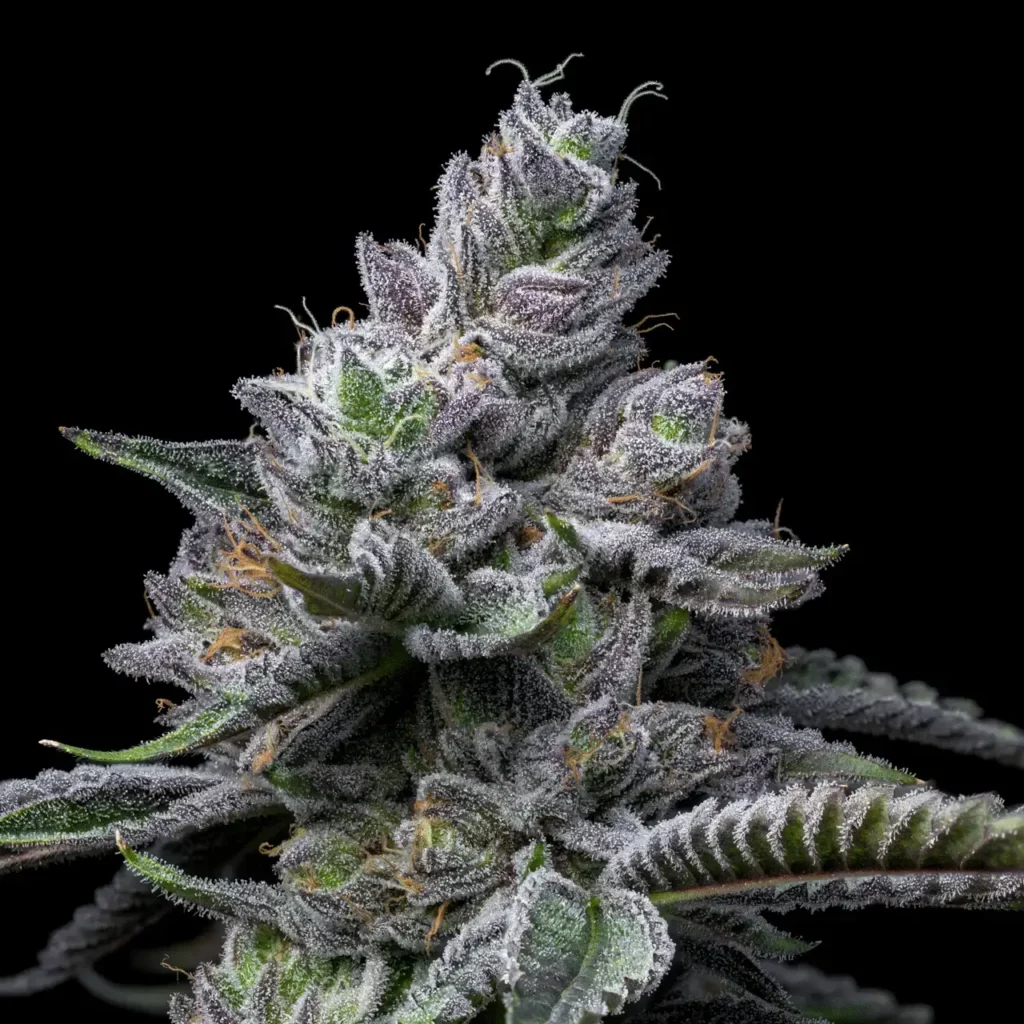
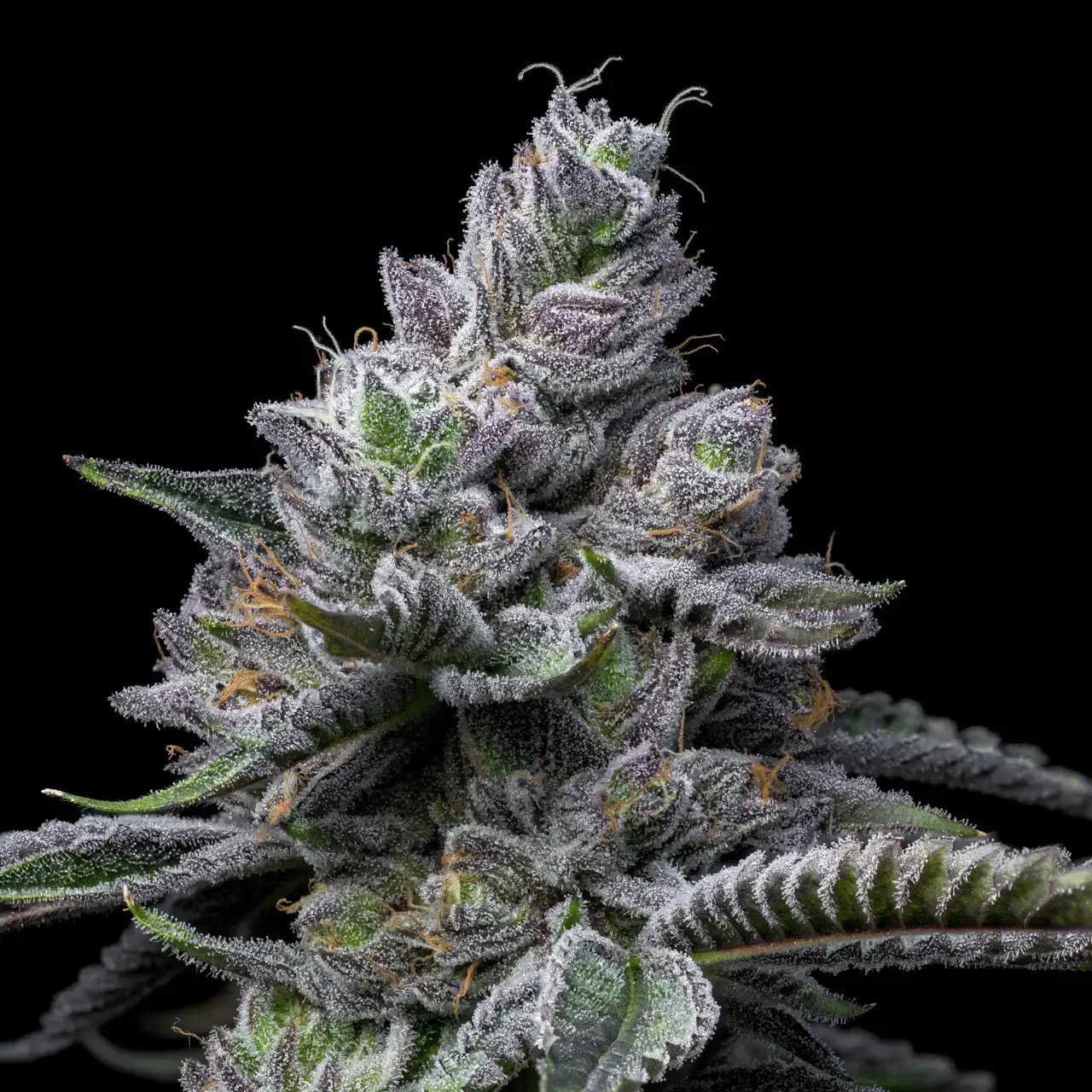
Auto RS11 leads with limonene — which is relatively unusual for an indica-leaning hybrid and is a large part of what made the original genetics stand out in the modern exotic catalogue. Limonene brings the bright citrus-candy top note that opens immediately on jar open — vivid sweetness that reads as tropical fruit rather than the heavier, earthier candy notes common in Gelato-dominant genetics. Myrcene provides the creamy base beneath the limonene brightness — the depth that holds the profile together and contributes to the body effect. Caryophyllene adds a subtle spice-and-pepper note on the exhale. Linalool appears in some phenotypes, adding a faint floral quality that softens the citrus edge.
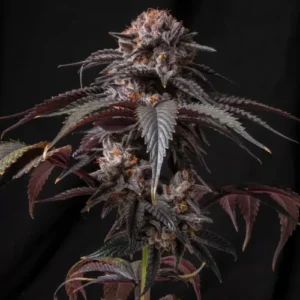
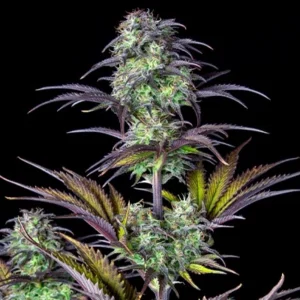
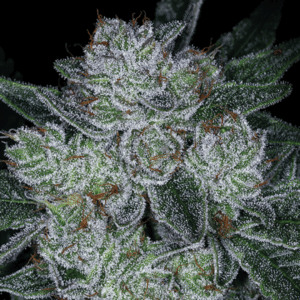
Auto RS11 shows variation across the pack consistent with the genetics — primarily between phenotypes that pull toward the Pink Guava sweetness and those that lean into the OZK's earthier, more resinous direction. The limonene signature is consistent across phenotypes but the intensity and character differs — some phenos leading with a cleaner, brighter citrus note and others presenting a more complex tropical-candy layering. Colour expression varies — some phenotypes developing purple and violet hues in the final two weeks, others staying green with heavy resin coverage throughout.
OZK is an Eddy OG × Zkittlez cross — an OG-structured hybrid with strong tropical-fruit terpene expression inherited from the Zkittlez side and structural density from the OG heritage. Pink Guava is a DEO Farms backcross of OZK itself, selecting for the tropical sweetness and concentrating it into a more expressive phenotype. The Pink Guava × OZK combination creates a genetic loop — Pink Guava being a daughter of OZK — that concentrates the Zkittlez-adjacent candy-fruit character and the OG backbone simultaneously. The ruderalis genetics introduced for the auto trait add the automatic flowering trigger without significantly altering the terpene expression, though the overall phenotype presents slightly more compact than the photoperiod equivalent.
RS11 was created by Doja Pak in collaboration with DEO Farms and Wizard Trees, with the 11th Rainbow Sherbet phenotype selected by Doja Pak for its particular aromatic profile. The strain became a cornerstone of the modern exotic movement — a shift toward candy-floral hybrids with Zkittlez-influenced terpene depth that set the stage for the current generation of collector genetics including Zoap and Permanent Marker.
Terpene Profile — In Detail
The combined effect is a profile that smells genuinely bright and expressive — tropical fruit, sweet sherbet, candied citrus — with enough depth from the OG-derived myrcene base to avoid reading as flat or one-dimensional. The auto format maintains this profile well in quality phenotypes, though total terpene concentration may run slightly lower than the photoperiod equivalent given the compressed lifecycle.

Auto vs Photoperiod — What's Different
Auto RS11 is not the same genetics as the Sigma RS11 photoperiod page. The photo version carries Pink Guava × Sunset Sherbet from Wizard Trees' selection. The auto carries Pink Guava × OZK. They share the RS11 name and the broader terpene direction — limonene-forward candy-fruit — but they are different crosses with different parent contributions. Growers running both will notice the OZK influence in the auto produces a slightly denser, more compact structure with a more pronounced Zkittlez-adjacent sweetness compared to the Sherbet creaminess of the Wizard Trees photo version.
The practical differences in the grow are significant. The auto removes the light schedule requirement entirely — it flowers based on age, not photoperiod. Seed to harvest runs 10-11 weeks under any light schedule, making it viable for outdoor grows throughout the Australian summer and accessible for indoor growers running 20/4 or 18/6 throughout. The compressed lifecycle means the plant spends less time in vegetative growth — training should be limited to low-stress methods in the first two to three weeks only. Hard topping or heavy defoliation in the first three weeks risks stunting an auto that can't recover the lost time the way a photoperiod plant can.
Phenotype Variation — The Detail
Resin production is consistently strong across the pack. The OZK heritage contributes dense trichome coverage and the buds present with significant bag appeal even on the less visually dramatic phenotypes.
Sigma Secrets
Don't train autos hard in the first three weeks. Low-stress training — bending and tying rather than cutting — is the appropriate method for this pack. The auto lifecycle doesn't allow recovery time from aggressive techniques early on. A well-executed LST from week two through week four will open the canopy and improve light distribution without the risk of stalling the plant at a critical growth stage. After week four the plant is in or near flower and training stops entirely.
What to Hunt For
The keeper in this auto pack has a clean, vivid limonene top note — bright tropical fruit and candied citrus that hits immediately on jar open, not muted or earthy. Dense, compact bud structure with heavy trichome coverage throughout. Strong colour expression — purple developing without forcing in the final two weeks — is a marker of phenotypes with good OZK expression. The profile should hold well through a standard cure and intensify rather than fade. Any phenotype where the limonene note is absent or flat at harvest is not worth preserving.
Growing Auto RS11 Seeds in Australia
Auto RS11 is rated moderate difficulty — straightforward for experienced growers, manageable for those who have run a few autoflower packs previously. Height is compact to medium, suited to smaller grow spaces and balcony or stealth outdoor setups. The automatic flowering makes it ideal for Australian conditions — multiple runs are achievable in a single outdoor season, with summer runs producing the strongest results under long daylight hours.
Indoor yield potential is high for an auto — 450-650g/m² under optimised conditions with 18-20 hours of light. Outdoor yield runs 60-600g per plant depending on space, climate, and training. The wider range reflects the sensitivity of auto yield to environmental conditions — a well-spaced outdoor plant in a warm Australian climate with adequate sun will perform significantly better than a cramped or shaded grow.
Nutrient management should be lighter than a photoperiod equivalent — autos are more sensitive to overfeeding, particularly nitrogen in early growth stages. Start feeds at half strength and scale up based on the plant's response. The OZK genetics make this pack relatively resilient to temperature variation, which suits the range of Australian climate zones. In tropical and subtropical regions multiple outdoor runs per year are viable — the auto lifecycle fits neatly within Queensland and Northern Territory growing conditions.
Sigma Secrets
Auto RS11 is a solid solventless extraction candidate — the OZK heritage contributes strong trichome density and the limonene-forward profile produces rosin and ice water hash with a genuinely bright, fruit-forward character that is distinct from most Gelato-family autos. The compressed yield volume of individual auto plants means running multiple plants simultaneously is the practical approach for extraction — three or four Auto RS11 plants running in rotation provides a consistent harvest cadence rather than waiting for a single large photoperiod run. For rosin, press fresh-frozen for the clearest expression of the limonene top note.
Frequently Asked Questions — Auto RS11 Seeds Australia
What is Auto RS11?
Auto RS11 is an autoflowering feminised version of Rainbow Sherbet #11 — one of the most influential exotic genetics of the current era. Built on a Pink Guava × OZK cross, it delivers the strain's signature limonene-forward candy-fruit terpene profile in a compact, no-light-schedule format with a 10-11 week seed to harvest timeline.
Is Auto RS11 the same genetics as the RS11 photoperiod?
No. The Sigma RS11 photoperiod page carries Pink Guava × Sunset Sherbet from Wizard Trees' selection. Auto RS11 carries Pink Guava × OZK — a different cross that shares the RS11 name and the broader limonene-forward terpene direction but has different parent contributions. Growers running both will notice distinct differences in structure and flavour expression.
What does Auto RS11 smell and taste like?
Limonene-led tropical candy — bright citrus, sweet sherbet, candied fruit — over a creamy myrcene base with caryophyllene spice on the exhale. The profile is vivid and expressive for an auto, maintaining the RS11 signature brightness that distinguished the original genetics.
How long does Auto RS11 take from seed to harvest?
10-11 weeks seed to harvest under any light schedule. No light cycle change required — the plant flowers based on age. Indoor growers typically run 18-20 hours of light throughout for maximum yield.
What yield can I expect from Auto RS11?
Indoor yield runs 450-650g/m² under optimised conditions. Outdoor yield varies — 60-600g per plant depending on climate, spacing, and training. Multiple outdoor runs per season are achievable in Australian conditions.
Is Auto RS11 suitable for outdoor growing in Australia?
Yes — well suited to Australian outdoor conditions. The automatic flowering removes the need for seasonal light cycle timing, making multiple runs per season viable. Tropical and subtropical Australian climates are particularly productive. Warm, sunny conditions with adequate airflow produce the best results.
Is Auto RS11 good for solventless extraction?
Yes — OZK heritage contributes strong trichome density and the limonene-forward profile produces rosin and ice water hash with a bright, fruit-forward character. Run multiple plants in rotation for a consistent extraction harvest cadence.
Are Auto RS11 seeds available in Australia?
Yes. Sigma Seeds stocks Auto RS11 feminised seeds Australia-wide with tracked shipping from within the country and a full germination guarantee.





15 reviews for Auto RS11 Cannabis Seeds